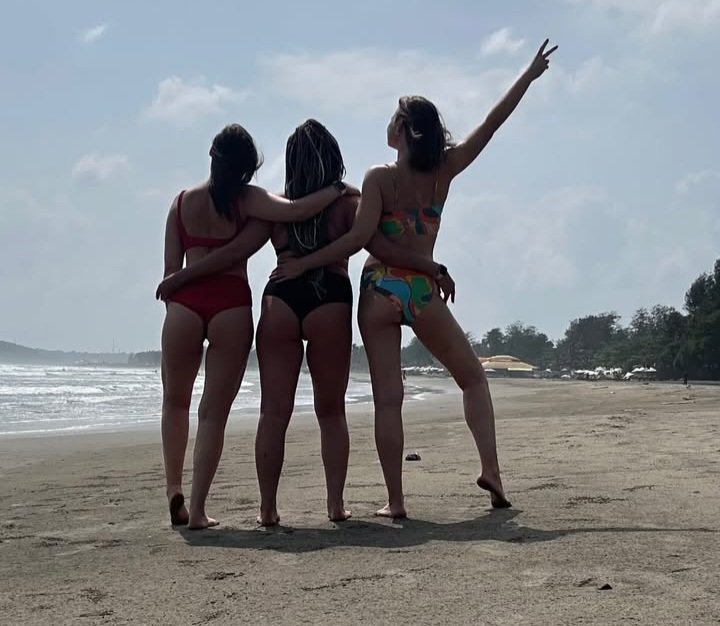
There’s something magical about Goa — the golden sands, the endless sea breeze, the relaxed vibe, and that sense of freedom that welcomes everyone. But among the millions of tourists who visit Goa every year, one group stands out the Russians. Whether you are walking down the peaceful lanes of Morjim or watching the sunset at Ashwem, you’ll hear Russian conversations, see signboards written in Cyrillic, and even find cafes serving borscht and pelmeni. Over the last two decades, Russians have become almost a part of Goa’s identity, leaving their own mark on its beaches and culture.
But why exactly are Russians so famous in Goa? What attracts them to this coastal paradise year after year? To understand that, we need to dive into the history, lifestyle, and emotional connection that ties the Russians with Goa’s beach life.
The History: How Russians Found Their Paradise in Goa
The Russian love story with Goa began in the late 1990s and early 2000s, when India started welcoming more international tourists. Cheap charter flights from Moscow to Goa made travel easier, and soon thousands of Russians began escaping their harsh winters to enjoy the warmth of India’s western coast.
Initially, it started as a seasonal escape. Russians came for a few weeks during the cold months, relaxed on the beaches, and went back home. But soon, something changed. They started staying longer, renting houses, opening businesses, and even marrying locals. By the late 2000s, entire beach villages like Morjim and Ashwem in North Goa were filled with Russian signs, restaurants, and yoga centers.
The locals jokingly started calling Morjim “Little Russia” — and the name stuck. Today, if you walk down the Morjim beach lane, you’ll see Russian bakeries, massage parlors, rental villas, and shops run by both Russians and Goans together. The friendship between the two cultures grew naturally — rooted in love for the ocean, food, music, and that carefree Goan lifestyle.
The Climate Connection: Escaping the Russian Winter
Russia’s winters are long, dark, and freezing, with temperatures dropping as low as -30°C in some regions. For months, snow covers the land, and the sun barely shines. For Russians, Goa offers the exact opposite — bright sunshine, warm sand, and tropical beaches.
Goa becomes a second home for them during the winter. From October to March, you’ll find Russian families, couples, and solo travelers enjoying beach life. The mild sea breeze, cheap accommodation, and fresh seafood create a perfect environment to relax. Many Russians say that Goa gives them energy, happiness, and peace of mind — something they can’t always find back home.
For them, Goa isn’t just a destination — it’s therapy. It’s where they can take a break from the seriousness of city life and rediscover the joy of living.
Popular Beaches Russians Love in Goa
Goa’s coastline stretches for more than 100 kilometers, but there are a few beaches that have become particularly famous among Russian tourists.
1. Morjim Beach – The Heart of “Little Russia”
Morjim is undoubtedly the most popular Russian hotspot in Goa. Known for its calm waves, clean sand, and peaceful environment, this beach attracts families and long-stay tourists. The area is filled with Russian cafes, guesthouses, and yoga centers. You’ll even find signs and menus written in Russian! The local Goans are used to speaking a few Russian words to welcome their guests — a sign of cultural harmony.
2. Ashwem Beach – The Luxury Hideout
Ashwem is another North Goa gem that Russians adore. It’s quieter and more upscale than Morjim. Many Russian celebrities and artists prefer staying here for privacy and luxury. The beach is lined with stylish resorts and wellness centers offering yoga, spa, and Ayurvedic therapies — a combination that fits perfectly with the Russian love for health and nature.
3. Arambol Beach – The Hippie Soul of Goa
Arambol is known for its bohemian vibe. This is where free-spirited travelers, artists, and musicians from Russia gather to express themselves. From drum circles at sunset to open-air markets selling handmade jewelry, Arambol captures the essence of freedom. Russian performers often play music here, blending with Indian rhythms, creating a unique cross-cultural atmosphere.
4. Vagator Beach – Party and Peace Together
Vagator is another beach loved by young Russians who enjoy the nightlife. The famous “Hilltop” and “9 Bar” parties attract crowds from around the world. The cliffs, the trance music, and the electric energy make Vagator a top pick for those who want both peace and excitement.
The Business and Cultural Influence of Russians in Goa
Russians haven’t just come to enjoy Goa; they’ve also contributed to its growth. Many have opened restaurants, yoga studios, travel agencies, and beach shacks. These businesses create jobs for locals and bring in more international tourists.
You’ll find authentic Russian cuisine in Morjim — from salads like “Olivier” to soups like “Borscht.” At the same time, Russian-owned yoga centers have become popular with Europeans who come to Goa for wellness retreats.
Their influence extends to the music and art scene as well. Russian DJs often perform in Goa’s beach parties, mixing trance, techno, and psychedelic sounds that keep the spirit of Goa alive. They’ve also introduced a new aesthetic in clothing and art — simple, natural, and spiritual.
Language and Lifestyle: Russians Blending into Goan Life
Language was initially a challenge, but over time, both Russians and Goans found ways to communicate. Many locals have learned basic Russian phrases to help in tourism, while Russians try their best to speak English or Hindi. The mutual respect and patience have helped both communities build strong bonds.
Russians in Goa are known for their disciplined routines — early morning beach walks, yoga sessions, healthy food, and love for nature. Unlike the stereotypical “party-only” image, many Russians live quietly, respecting the Goan way of life. Some even participate in local festivals and charity work.
Nightlife and Parties: A Shared Love for Music
One thing that connects Russians and Goans deeply is music. Goa’s nightlife is world-famous, and Russians have embraced it with open arms. From beach shacks playing retro Russian pop to full-blown trance parties under the stars, Russians have added their unique energy to the scene.
Places like Hilltop, Shiva Valley, and Curlies often have international DJs, many of whom are Russian. Their parties are colorful, soulful, and filled with good vibes. It’s not unusual to see locals, Russians, and Europeans dancing together until sunrise.
This shared passion for music and celebration has made Russians a part of Goa’s nightlife identity.
Russians Settling in Goa: From Tourists to Locals
Over the years, many Russians have made Goa their permanent home. Some marry locals, while others invest in properties or run small businesses. These long-term residents form the backbone of the Indo-Russian friendship in the state.
They’ve built communities where both cultures merge beautifully — a Russian café that serves Goan fish curry, a yoga class taught in both English and Russian, or local Goan festivals with Russian performances. This cultural exchange has made Goa richer and more vibrant.
Goan Locals and Russians: A Relationship of Understanding
At first, there were cultural differences. Russians are generally more direct, while Goans are soft-spoken and laid-back. But over time, they learned to appreciate each other’s ways.
Locals respect the hard-working, nature-loving attitude of Russians. In turn, Russians admire Goans for their hospitality and simplicity. This mutual respect has created friendships that go beyond language and nationality.
Why Goa Feels Like Home to Russians
For Russians, Goa offers something priceless — freedom. In Goa, nobody asks questions about who you are or what you do. People smile, help each other, and enjoy life without judgment.
The beaches give them space to breathe, to meditate, and to live slowly. The sound of waves replaces the noise of city life, and every sunset feels like a moment of peace. Many Russians say that when they leave Goa, they leave a piece of their heart behind.
Impact on Goa’s Tourism Industry
Russians have played a major role in boosting Goa’s tourism economy. According to tourism reports, Russians make up one of the largest groups of foreign visitors. Charter flights, Russian tour guides, and specialized services have become common.
Local shopkeepers, taxi drivers, and restaurant owners benefit from the Russian tourist season. Even local schools now offer Russian language classes for business communication. This economic and cultural exchange has made Goa a global destination — one that feels international yet Indian at its core.
Challenges and Misunderstandings
Like any growing relationship, there have been occasional challenges — language barriers, cultural misunderstandings, or small disputes over property and tourism rules. But these are natural in any multicultural environment.
The Goan government and local communities have worked to ensure harmony. Tourism boards now encourage responsible travel, and both sides cooperate to maintain Goa’s peaceful environment.
Spiritual Connection: Russians and Goa’s Soul
Beyond parties and beaches, many Russians come to Goa seeking spirituality. Ashrams, meditation centers, and yoga retreats attract hundreds every year. They practice Ayurveda, learn Indian philosophy, and explore self-awareness.
For many, Goa is not just a vacation; it’s a journey within. This deep connection to India’s spiritual traditions has made their bond with Goa more emotional and meaningful.
Two Cultures, One Love – The Sea
The story of Russians in Goa is not just about tourism — it’s about belonging. It’s about how two very different cultures found common ground through sunshine, music, and kindness.
Russians came to Goa for the beaches, but they stayed for the people, the peace, and the freedom. Today, they are not just visitors; they are part of the Goan family. Their presence has given Goa a global touch, turning its beaches into a blend of Indian warmth and Russian charm.
When you see a Russian family playing with their children on Morjim beach, or a Russian artist painting the sunset at Arambol, you realize that Goa’s magic doesn’t belong to one country — it belongs to everyone who loves the sea.