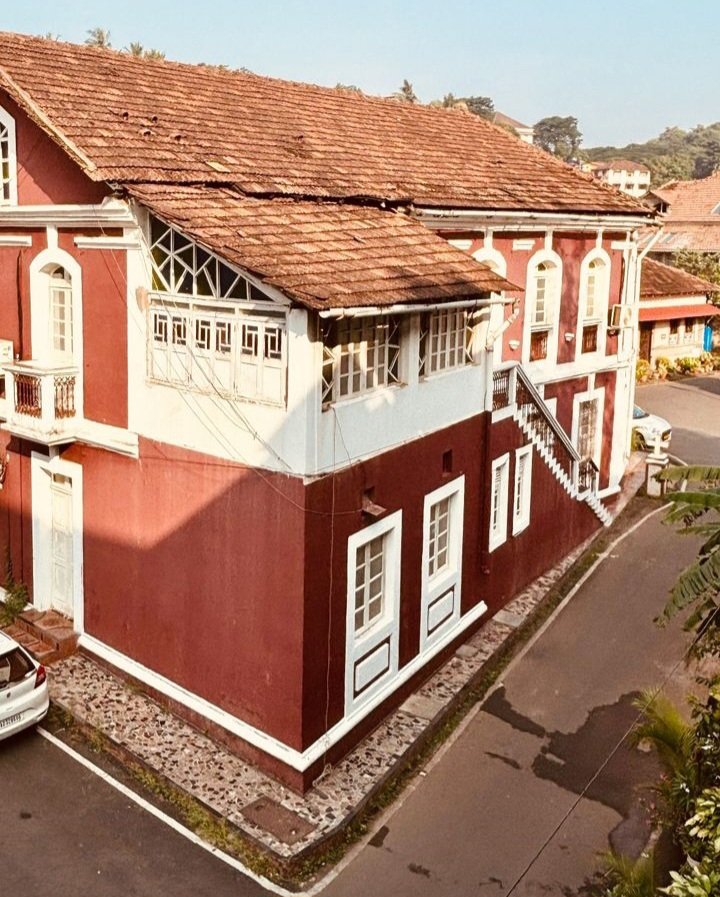
Nestled on the banks of the serene Mandovi River, Panjim, or Panaji as it is officially known, is the vibrant capital of Goa, India’s smallest but culturally richest state. While many travelers flock to the popular northern beaches, Panjim offers a unique blend of colonial charm, modern amenities, cultural richness, and scenic beauty. The city is an exquisite combination of history, heritage, and leisure, making it a must-visit destination for those who want to experience the true essence of Goa beyond just beaches and nightlife.
Walking through Panjim is like stepping into a painting. The streets are lined with pastel-colored Portuguese-style houses, colonial churches, quaint cafes, and charming boutiques. Among these, the Latin Quarter of Fontainhas stands out as a testament to the city’s colonial past. The narrow lanes of Fontainhas are adorned with colorful buildings, red-tiled roofs, and wrought-iron balconies, transporting visitors to a bygone era. Every corner of this quarter tells a story, from the centuries-old houses to the small art galleries and heritage cafes tucked along the streets. It is a place where photography enthusiasts, history lovers, and casual wanderers alike can lose themselves in the charm of old Goa.
The history of Panjim is deeply intertwined with the Portuguese colonial era. Though the city became prominent in the 18th century, its roots go back to much earlier times. The colonial influence is evident not only in architecture but also in the culture, cuisine, and language. Strolling through Panjim, you’ll notice the unique blend of Indian and Portuguese cultures—a mix that defines Goa itself. From traditional Goan festivals celebrated with fervor to colonial-era churches and statues, Panjim is a city where the past and present coexist seamlessly.
One of Panjim’s most iconic landmarks is the Church of Our Lady of the Immaculate Conception, perched gracefully atop a hill overlooking the city. Built in the 16th century, its whitewashed facade and baroque-style architecture make it instantly recognizable. The church is not only a place of worship but also a historic landmark that offers panoramic views of Panjim and the surrounding landscape. Visitors often climb the steps to catch a breathtaking sunrise or sunset, while the church bells ring gently, adding to the serene ambiance. Nearby, smaller chapels and churches reveal the depth of religious heritage in the city, showcasing centuries of devotion and architectural mastery.
Panjim’s natural beauty complements its cultural heritage. The Mandovi River flows gracefully beside the city, offering scenic vistas and recreational opportunities. Miramar Beach, located just a short drive from the city center, is a popular spot for relaxation, evening strolls, and water activities. Though smaller and less crowded than the beaches in North Goa, it has its own charm, with soft sand, gentle waves, and a peaceful atmosphere. Further along, the area of Dona Paula presents a dramatic confluence of the Mandovi River and the Arabian Sea, named after a Portuguese noblewoman whose story adds a touch of legend to the scenic spot. Both Miramar and Dona Paula are perfect for photographers, nature lovers, and travelers looking for quiet spots to unwind.
No visit to Panjim is complete without indulging in its culinary delights. The city is a paradise for food enthusiasts, offering a diverse range of dishes that blend traditional Goan flavors with Portuguese and global influences. Authentic Goan seafood is a must-try, from spicy prawn balchão to tangy fish curry rice. For dessert lovers, Bebinca—a rich layered cake made with coconut milk, eggs, and sugar—is iconic. Feni, the local liquor made from cashew apples or coconut sap, offers a taste of traditional Goan spirits. Popular dining spots include Gunpowder, known for its flavorful South Indian-Goan fusion dishes; Viva Panjim, which offers a cozy atmosphere with authentic Goan seafood; and The Fisherman’s Wharf, perfect for a riverside dining experience with freshly prepared seafood. Street food lovers will also enjoy sampling local snacks, from spicy chorizo-filled buns to sweet and tangy patties sold by roadside vendors.
Panjim is not just about food and architecture—it is a city rich in cultural experiences. The vibrant festivals celebrated here reflect the deep-rooted traditions of both Hinduism and Christianity. The Goa Carnival, a colorful celebration with parades, music, and dance, attracts visitors from across the globe. Shigmo, the spring festival, showcases traditional folk dances, vibrant processions, and local rituals. During Christmas and Easter, the churches are beautifully decorated, and the city comes alive with feasts, music, and community celebrations, providing travelers a glimpse into Goan life beyond the beaches.
Shopping in Panjim is equally rewarding. From street markets to upscale boutiques, the city offers everything a traveler could desire. 18th June Road, the main commercial street, is lined with shops selling jewelry, handicrafts, clothing, and souvenirs. For a more local flavor, the Mapusa Market, held every Friday, is perfect for buying spices, textiles, and fresh produce. Artisanal items like hand-painted pottery, traditional masks, and local jewelry make excellent souvenirs, and haggling in local markets can be a fun experience for visitors.
For travelers looking to explore beyond Panjim, the city serves as an excellent base for day trips. The UNESCO World Heritage Sites of Old Goa, including the Basilica of Bom Jesus and Se Cathedral, are just a short drive away. Divar Island, with its serene landscape and historic churches, provides an escape into nature and traditional Goan village life. For adventure seekers, Dudhsagar Waterfalls, located on the Goa-Karnataka border, offers a spectacular natural spectacle with cascading waters surrounded by lush forests. These excursions ensure that visitors can experience a mix of culture, history, and natural beauty, all within easy reach of Panjim.
Accommodation in Panjim caters to every type of traveler. For those seeking luxury, resorts like Goa Marriott Resort & Spa and Vivanta Panaji offer top-notch amenities, spa services, and riverside views. Mid-range options like Hotel Fidalgo and The Crown Goa provide comfortable stays with modern conveniences, while budget travelers can enjoy hostels and guesthouses such as Panaji Residency and Wonderland Hostel, offering clean, convenient, and affordable options. Many accommodations are strategically located near the river or within walking distance of key attractions, making it easy for guests to explore the city.
Getting around Panjim is straightforward. The city is compact, and many attractions are within walking distance. For longer journeys, taxis and auto-rickshaws are widely available. The Kadamba Bus Terminal connects Panjim to other parts of Goa, while ferry services on the Mandovi River offer a scenic and leisurely way to reach nearby towns. Scooter or bicycle rentals provide an adventurous way to explore Panjim and its surroundings at your own pace.
Safety and travel tips are essential for a smooth experience. Staying hydrated and wearing sunscreen is crucial in Goa’s tropical climate. Modest attire is recommended when visiting religious sites, and being cautious of stray animals ensures a safe and enjoyable stay. Travelers should also respect local customs and avoid littering, helping preserve the beauty and cleanliness of Panjim’s streets and beaches.
Nature and wellness are integral parts of the Panjim experience. Several resorts and boutique hotels offer yoga classes, meditation sessions, and spa treatments that overlook the Mandovi River. Early morning walks along the riverbank or beach, combined with fresh air and the tranquil environment, create a sense of rejuvenation. Birdwatchers and nature enthusiasts will enjoy spotting migratory birds along the river, while the surrounding greenery adds a refreshing contrast to the urban areas.
Nightlife in Panjim is subtle yet vibrant, focusing on riverside lounges, live music, and cultural events rather than loud parties. Soft jazz, acoustic performances, and cozy rooftop bars provide a relaxing environment to unwind after a day of sightseeing. Candlelit dinners by the river, moonlit walks along Miramar Beach, and quiet evening boat rides make the city appealing to travelers who prefer calm and sophistication over the high-energy beach parties of North Goa.
Even for travelers who prefer cultural immersion, Panjim offers numerous opportunities. Local art galleries, performance spaces, and workshops allow visitors to engage with Goan art, music, and craftsmanship. Visitors can learn about traditional painting techniques, pottery, or even cooking local dishes through interactive sessions organized by community groups or boutique hotels. These experiences provide depth to the stay, making Panjim not just a sightseeing destination but a place to live and feel Goan culture firsthand.
Panjim (Panaji) is more than just the administrative capital of Goa—it is a vibrant city where history, culture, nature, and leisure intertwine. From the colonial charm of Fontainhas and the grandeur of historic churches to the serene beauty of the Mandovi River, Miramar Beach, and Dona Paula, every corner of Panjim tells a story. Coupled with its rich culinary scene, vibrant festivals, shopping experiences, and diverse accommodation options, Panjim provides a holistic experience that caters to all kinds of travelers. Whether you are seeking romance, adventure, relaxation, or cultural immersion, Panjim offers an unforgettable escape that captures the essence of Goa in its truest form.