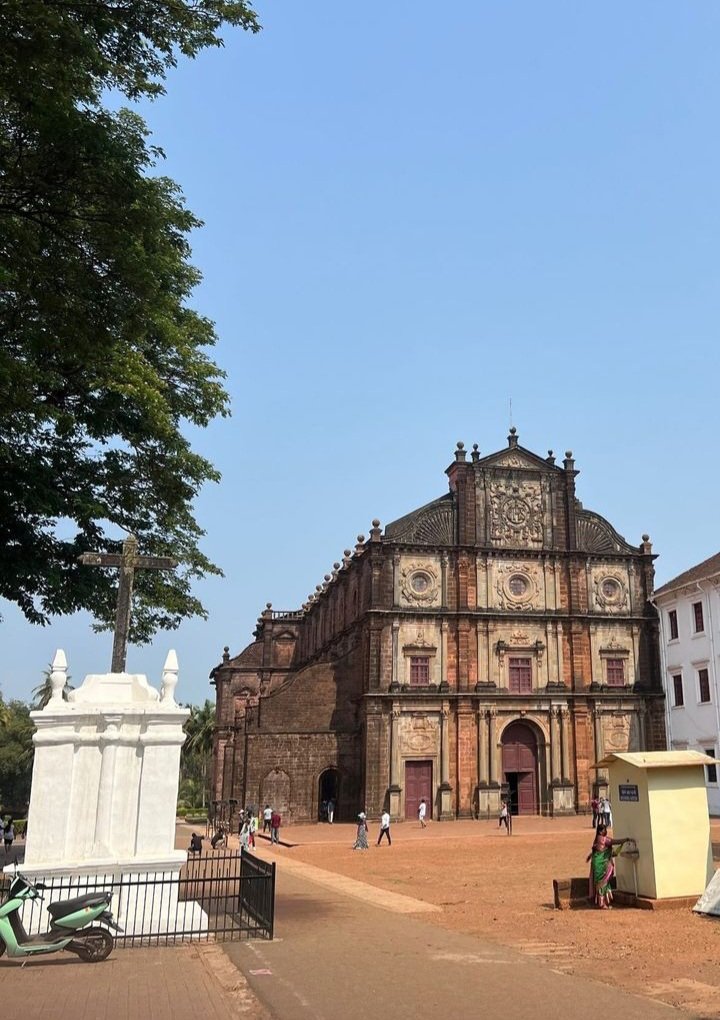
The Feast of St. Francis Xavier in Goa is one of those rare occasions when an entire state slows down its pace and turns its attention to a single spiritual moment that has been repeated for centuries. Every year, on the 3rd of December, Goa transforms into a place where faith, culture, and tradition come together in a warm blend of devotion and celebration. Even before the day of the feast arrives, the air in Old Goa begins to change. Small shops start decorating their entrances with white flowers, pilgrims from different parts of India and even from abroad begin gathering near the Basilica of Bom Jesus, and the narrow lanes start filling with the familiar sound of Konkani prayers mixed with the gentle hum of everyday life. Unlike many modern festivals that grow loud and commercial, the celebration of St. Francis Xavier retains a kind of purity that has survived generations. It remains simple, emotional, deeply rooted in faith, and yet open to every visitor who comes to witness it, whether they follow the religion or not.
The story behind this feast is perhaps what makes the atmosphere so powerful. St. Francis Xavier, often called the Apostle of the East, was a missionary who dedicated his life to serving people across Asia. When he died in 1552, his body was brought to Goa, and the fact that it remained miraculously intact for decades became the foundation of widespread devotion. Even today, people come with personal stories, hopes, and prayers. Some come seeking healing, others come with gratitude for blessings they believe they received, and many simply come because attending the feast has become an emotional tradition. For Goan families, it often marks the beginning of the festive season, blending seamlessly with Christmas preparations that begin soon after. For tourists, it becomes a window into Goa’s cultural identity, far removed from the beaches and nightlife the state is commonly associated with.
In the days leading up to the feast, Old Goa becomes almost like a small fairground, but one that maintains decorum. Temporary stalls start lining the streets, selling everything from candles to Goan sweets like dodol and perad. The fragrance of bebinca baking in traditional kitchens drifts into the streets, reminding everyone of the coming holiday season. Pilgrims walk around calmly, some carrying rosaries, some whispering prayers, while others simply explore the historical surroundings. The once-silent graveyards and century-old monuments of Old Goa come alive during this period. The Archaeological Museum sees an increase in visitors, cafés fill with families taking a break from the crowds, and roadside tea stalls become mini-conversation hubs where strangers talk about where they have come from and what brings them here this year. It is a social event, but with a peaceful tone that sets it apart.
On the morning of the feast, the experience is almost overwhelming in its simplicity. Before sunrise, crowds begin forming around the Basilica of Bom Jesus, where the relics of St. Francis Xavier are kept. The Mass is celebrated throughout the day in various languages to ensure that pilgrims from across the world understand and connect with it. Konkani, English, Hindi, and even Portuguese prayers flow through the speakers around Old Goa, and people stand silently, listening, absorbing, and praying in their own way. Many locals make it a point to attend the earliest Mass so they can avoid the rush later, while others prefer attending the main Mass, which is beautifully conducted with choir singing and traditional hymns. The sound of church bells ringing across Old Goa seems to echo through the nearby roads, forests, and even the Mandovi River flowing a little distance away.
For many Goans, the feast is not only a religious event but also a time for family bonding. It is common to see entire families walking together toward the church, elders guiding young children on how to behave respectfully, and teenagers participating out of habit but still absorbing the cultural importance. Some families follow the tradition of lighting candles together, while others offer flowers or donations as a form of gratitude. Those who cannot make it to Old Goa watch the live telecasts broadcast by local TV channels, ensuring that even those who live far from the state can still be part of the celebration. Goans living abroad often schedule video calls with their families on this day, reminiscing about the times they visited the feast as children and expressing a longing for the familiar tastes and scents of home.
While the focus of the feast remains on prayer and devotion, the cultural side of the event is equally fascinating. Stalls selling traditional Goan food experience some of their busiest days, with crowds gathered around plates of sorpotel, sannas, cutlets, choris bread, and fish fry. Tourists are often surprised at how food becomes part of a religious celebration, but for locals, food is a way to share joy, hospitality, and tradition. Vendors selling toys, handicrafts, bamboo decorations, and household items add a market-like charm to the area. Many visitors leave Old Goa not only with spiritual fulfillment but also with bags full of small souvenirs, sweets, and handmade items that remind them of this special day.
What stands out during the festival is the incredible diversity of people who attend it. You will find elderly locals who have attended the feast every year for decades, young Goan students who come with groups of friends, parents carrying infants in their arms, and even tourists from Europe who may not fully understand the significance of the event but still feel moved by the devotion around them. Pilgrims from states like Karnataka, Kerala, Tamil Nadu, Maharashtra, and the Northeast arrive in large numbers, some traveling overnight by bus or train just to attend the Mass. Their presence adds a cultural mosaic to the experience, showcasing how one spiritual figure has touched people from such varied backgrounds.
Even the surroundings of Old Goa contribute to the ambiance of the celebration. The towering Se Cathedral, the Church of St. Cajetan, the Archaeological Museum, and the lush green fields create a scenic background that turns the area into a blend of spirituality and heritage. The quiet pathways leading to these monuments become filled with footsteps, soft conversations, and occasional bursts of laughter from children running around. Despite the crowds, there is an orderliness that locals take pride in. Volunteers help guide visitors, traffic police manage the movement of vehicles, and medical tents stand ready in case anyone feels unwell due to the long hours of standing. It is a celebration that requires significant planning, and every year the administration rises to the challenge, ensuring that the festival remains smooth and safe.
One of the most touching aspects of the Feast of St. Francis Xavier is the faith that drives people to attend. You will see individuals walking barefoot from far-off points as a form of penance. Some come carrying candles equal to their height, believing that their prayers will be heard. Others write small letters of gratitude, drop them near the altar, and leave with a sense of emotional peace. For many, this day is more than tradition; it is a deeply personal journey. Countless stories are shared among pilgrims—stories of healing, recovery, success, or even small blessings that hold great meaning in their lives. These personal experiences create a collective sense of hope that fills the entire atmosphere.
As the day progresses, the crowd continues to grow, but the energy remains calm and positive. Choir groups perform beautifully, singing hymns that echo across the historic buildings. Many visitors pause not only for prayer but also to marvel at the architecture that has stood the test of time. Some sit quietly on the grassy patches nearby, taking slow breaths as they watch the movement of people around them. By late afternoon, the sunlight begins to soften, casting a warm golden glow over Old Goa. This is often the moment when many families choose to take photographs, capturing memories that will stay with them for years. While photography inside certain church areas is restricted, the surroundings provide plenty of scenic spots.
As evening approaches, the celebration slowly transitions into a softer tone. Many pilgrims begin their journey back home, carrying with them candles, sweets, holy water, and blessed articles. The streets that were filled with activity in the morning start becoming quieter, but the sense of fulfillment remains strong. Vendors pack their stalls, volunteers take a final round to ensure cleanliness, and the churches prepare for the last Mass of the day. The floodlights illuminating the Basilica create a serene visual, almost symbolic of the peace that the feast brings. For locals, the end of this day marks the beginning of the pre-Christmas season, and the shift in the festive atmosphere becomes noticeable in Goan homes.
Visitors often describe the Feast of St. Francis Xavier as an experience that goes beyond religion. Even those who do not share the same belief feel moved by the unity, the respect, the heritage, and the emotional depth. Many say they feel a sense of grounding, as though the space reminds them to pause and appreciate life. Others feel inspired by the story of St. Francis Xavier—a man who traveled far from home to help strangers and dedicated his life to compassion. His message remains relevant even today, and that is perhaps why the feast continues to draw such massive crowds year after year.
For tourists who plan to experience the festival, the visit becomes a rare opportunity to see Goa through a different lens. Instead of beaches and nightlife, they witness culture, history, spirituality, and community bonding. Many find themselves walking slowly through the old streets, reading plaques on ancient buildings, or chatting with locals who explain the customs associated with the feast. Some tourists stay in Panaji or nearby resorts and take early buses to Old Goa, while others prefer booking rooms near the celebration area well in advance. Either way, the festival becomes an unforgettable memory.
The influence of the feast is not limited to Old Goa alone. Nearby towns like Panaji, Mapusa, and Ponda also feel the festive mood. Bakeries begin preparing Christmas cakes, shops bring in new decorations, and markets become livelier. Many Goan households begin planning their holiday menus, making sweets like neuris, kulkuls, and bebinca. It is a season of warmth, faith, and celebration. St. Francis Xavier’s feast becomes the starting point for a chain of festive activities that continues until New Year’s Eve. This natural transition from devotion to celebration is one of the unique cultural rhythms of Goa.
Even after centuries, the celebration has not lost its charm. Instead, it has evolved. Technology has made it possible for live broadcasts to reach Goans living abroad. Improved infrastructure has made travel easier for pilgrims. But the core emotion remains unchanged. Each year, when the bells ring on December 3rd, the same feeling settles in the hearts of people—the feeling of gratitude, hope, and spiritual renewal. The sense of standing in a place that holds so much history and devotion is something that words often fail to fully capture, yet it is felt deeply by all who attend.
In many ways, the Feast of St. Francis Xavier is more than just a religious event. It is a cultural identity, a symbol of Goa’s spiritual heritage, and a living tradition that binds generations. It brings together strangers, strengthens families, and fills the state with a quiet joy that lingers long after the day has passed. Whether you attend out of devotion or curiosity, the experience stays with you. The peaceful crowds, the hymns, the architecture, the markets, the food, the stories, and the overwhelming sense of unity all blend into a memory that is both warm and profound.
For anyone visiting Goa during this time, witnessing this feast becomes a highlight, something that offers a glimpse into the soul of the state. It shows a side of Goa that is often overshadowed but incredibly rich in emotion and cultural depth. And for locals, it remains something sacred, a moment they look forward to each year, because it connects them not just to their faith but to their history, their families, and their community. As the day ends and the lights dim around the Basilica, what remains is a deep sense of peace and the quiet promise that next year, on the same day, people from all corners will return again, carrying new stories and new prayers, keeping the tradition alive for future generations.