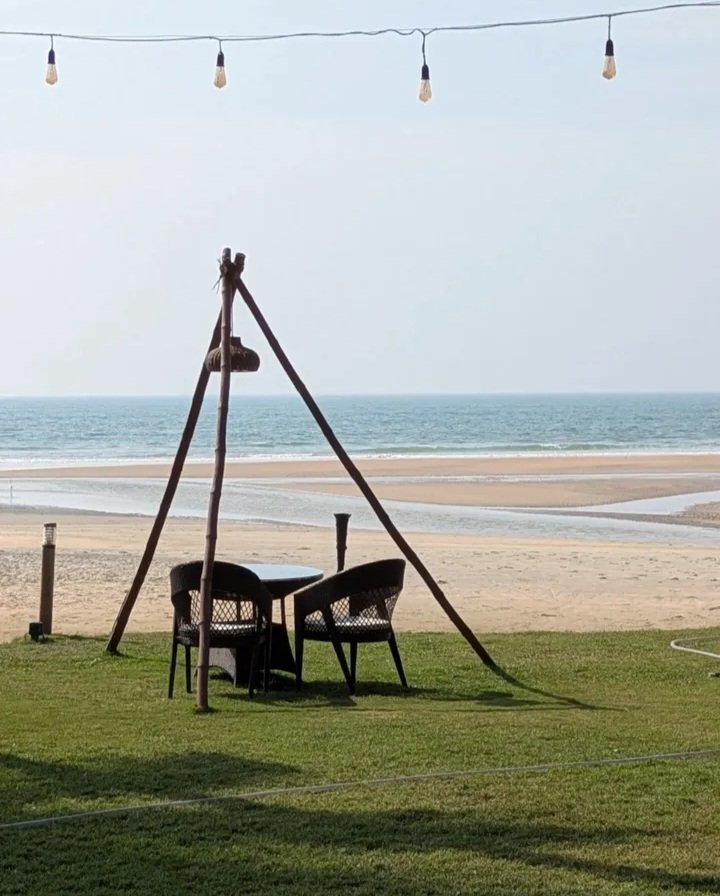
Coco Beach in Goa is one of those rare coastal spots that still feels untouched by loud tourism, crowded shacks, and nonstop party culture. Located near Nerul village in North Goa, just across the Mandovi River from Panaji, Coco Beach offers a completely different side of Goa that many travelers never get to see. This beach is not about nightlife or commercial attractions; it is about calm surroundings, slow-moving tides, local life, and peaceful moments by the sea. People who visit Coco Beach usually come with the intention of relaxing, observing nature, or enjoying a short break away from the busy beaches of Candolim and Calangute. The charm of Coco Beach lies in its simplicity and raw coastal character, which still reflects the traditional Goan seaside environment.
Geographically, Coco Beach enjoys a unique position because it sits along the Mandovi River estuary where the river meets the Arabian Sea. This creates a slightly different landscape compared to open-sea beaches. The water here often appears calmer, especially during low tide, and the shoreline has a mix of soft sand and rocky patches. From the beach, visitors can see cargo ships, fishing boats, and sometimes luxury yachts passing through the river channel. This constant but gentle movement adds a sense of life to the beach without disturbing its peaceful atmosphere. Early mornings and late afternoons are particularly beautiful, with soft sunlight reflecting on the water and cool sea breeze flowing through the coconut trees.
The history of Coco Beach is closely connected to the nearby villages of Nerul and Verem, which have traditionally depended on fishing and river-based trade. Long before tourism reached this area, local fishermen used the beach as a resting point for their boats and nets. Even today, if you visit during early morning hours, you can see fishermen preparing their catch or repairing nets near the shore. This daily routine gives Coco Beach a genuine local feel, unlike many commercial beaches where traditional livelihoods have almost disappeared. The presence of these fishing communities keeps the cultural roots of the area alive and visible.
One of the most noticeable aspects of Coco Beach is its quietness. There are no loud music systems, no beach parties, and no crowded water sports zones. This makes it ideal for travelers who prefer solitude, couples looking for peaceful walks, photographers searching for natural frames, and solo travelers who want to spend time with their thoughts. The beach is also suitable for elderly visitors or families who wish to avoid chaotic environments. Walking barefoot on the sand, listening to the gentle sound of waves, and watching the sky slowly change colors during sunset can be deeply relaxing experiences here.
The natural surroundings of Coco Beach add to its charm. Coconut palms, casuarina trees, and patches of green vegetation surround the coastline. The area is less developed, so concrete structures are minimal. This allows nature to dominate the landscape rather than buildings or resorts. Birds such as seagulls, herons, and kingfishers are often seen near the water, especially during quieter hours of the day. During monsoon season, the greenery around Coco Beach becomes even more vibrant, making the entire area look fresh and alive.
Although Coco Beach is not known for commercial water sports, some basic activities are available depending on the season. Local operators sometimes offer jet skiing or banana boat rides, mainly during peak tourist months. However, these activities remain limited and controlled, which helps maintain the calm environment. Many visitors prefer simply swimming near the shore when the tide is safe or sitting by the water with a book. The absence of constant activity allows visitors to truly unwind without distractions.
Coco Beach is also popular as a starting point for dolphin-watching boat trips. Small motorboats take tourists into the Mandovi River and nearby sea areas early in the morning to spot dolphins. While dolphin sightings are not guaranteed, many travelers have reported successful sightings, especially during calm sea conditions. These trips usually last for about an hour and provide a scenic view of Goa’s river-sea ecosystem. For nature lovers, this experience can be both exciting and educational.
Food options near Coco Beach are limited but authentic. Instead of large restaurants, you will find small local shacks or eateries serving simple Goan dishes. Fresh seafood is the highlight here, often prepared using traditional recipes passed down through generations. Fish curry rice, fried pomfret, prawns, and squid dishes are common. The taste is usually home-style rather than restaurant-style, which many visitors appreciate. Eating a freshly cooked meal while overlooking the water adds to the overall experience.
Accommodation near Coco Beach ranges from budget guesthouses to a few mid-range resorts located in nearby Nerul and Reis Magos areas. While there are no massive beachfront resorts directly on Coco Beach, this actually works in favor of travelers seeking a peaceful stay. Many accommodations offer river or sea views, quiet surroundings, and easy access to nearby attractions. Staying near Coco Beach allows visitors to explore both the calm coastal side and the more active tourist areas within a short drive.
Accessibility is another advantage of Coco Beach. It is located just a few kilometers from Panaji, Goa’s capital city. Visitors can reach the beach by road via Nerul or by taking a ferry across the Mandovi River from Panaji to Verem. The ferry ride itself is a pleasant experience and offers scenic views of the river, bridges, and city skyline. Taxis, rental bikes, and private vehicles are all convenient options for reaching Coco Beach, making it suitable even for short visits or day trips.
Nearby attractions add more value to a visit to Coco Beach. Reis Magos Fort, located a short distance away, is a must-visit historical site. The fort offers panoramic views of the Mandovi River and the surrounding area. Nerul River, known for its mangroves and calm waters, is another attraction for those interested in kayaking or quiet boat rides. Panaji city, with its Latin Quarter Fontainhas, churches, markets, and cafes, is easily accessible and can be explored on the same day.
The sunset experience at Coco Beach is one of its most memorable aspects. As the sun slowly sets behind the river mouth and the sky turns shades of orange, pink, and purple, the beach transforms into a peaceful viewing point. Unlike crowded sunset spots, Coco Beach allows visitors to enjoy the moment without noise or distractions. Many photographers prefer this location for capturing natural light and reflections on the water.
From an environmental perspective, Coco Beach highlights the importance of responsible tourism. Since the area is less commercialized, it is important for visitors to respect local culture and nature. Avoiding plastic waste, not disturbing fishing activities, and maintaining cleanliness helps preserve the beach’s natural beauty. Locals are generally welcoming and appreciate tourists who show respect for their surroundings and traditions.
Coco Beach is not designed for those looking for nightlife or shopping. Instead, it attracts travelers who value experiences over entertainment. Writers, artists, and creative individuals often find inspiration in the quiet rhythm of this place. The slow pace encourages mindfulness and observation, which can be rare in popular tourist destinations. Spending time here can feel like pressing a pause button on everyday stress.
The best time to visit Coco Beach is between October and March when the weather is pleasant and sea conditions are relatively calm. During this period, mornings and evenings are especially enjoyable. Monsoon months bring heavy rainfall and strong currents, making swimming unsafe, but the landscape becomes lush and dramatic. Some travelers enjoy visiting during monsoon for the raw beauty and solitude, though access may be slightly challenging due to weather conditions.
Coco Beach also holds appeal for local Goans who visit for short breaks or family outings. Unlike tourist-heavy beaches, it still serves as a community space where locals come to relax, fish, or enjoy quiet time. This blend of local life and gentle tourism creates a balanced atmosphere that feels authentic rather than staged.
In terms of photography, Coco Beach offers diverse frames. Boats anchored near the shore, reflections of palm trees in shallow water, distant bridges, and changing skies provide plenty of opportunities for capturing unique shots. Early morning light is ideal for soft tones, while sunset offers dramatic contrasts. Even amateur photographers can capture beautiful images due to the natural simplicity of the surroundings.
For travelers planning a Goa itinerary, Coco Beach fits well as a half-day or relaxed full-day destination. It pairs nicely with visits to nearby forts, river cruises, or cultural neighborhoods. Unlike beaches that demand constant activity, Coco Beach allows flexibility. You can spend as much or as little time as you like without feeling rushed or overwhelmed.
Coco Beach Goa represents a quieter, more thoughtful version of coastal travel. It is a place where nature, local culture, and simplicity come together to offer a refreshing experience. For those who believe that travel is not just about ticking off attractions but about feeling connected to a place, Coco Beach delivers something meaningful. Away from the noise and crowds, this small beach quietly reminds visitors why Goa’s coastline has been cherished for generations.