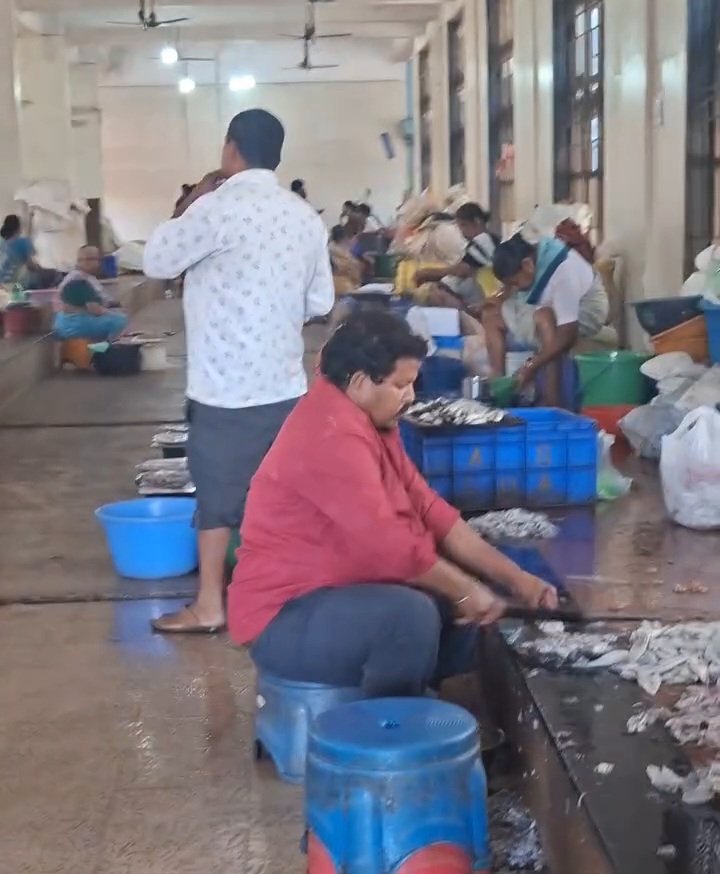
Goa’s relationship with fish is not just about food; it is about daily life, livelihood, memory, and culture. Long before Goa became a tourist destination, fishing shaped its economy and rhythm. Even today, while beaches and resorts draw attention, the real heartbeat of Goa can be felt early in the morning at its fish markets. This is when the state wakes up in its most honest form. The air smells of the sea, voices rise in familiar bargaining tones, baskets overflow with the day’s catch, and generations of knowledge quietly pass from one person to another. To understand Goa properly, one must experience its fish markets, because this is where Goa is most real.
Unlike supermarket seafood counters, fish markets in Goa are alive. They are noisy, fast, emotional, and deeply personal. Every fish has a story — where it was caught, how rough the sea was, which boat brought it in, and how fresh it truly is. Locals don’t ask for freshness; they can see it instantly. For visitors, these markets may feel overwhelming at first, but once you slow down and observe, they become fascinating places that reveal the true coastal soul of Goa.
Goa has many fish markets spread across its towns and villages, but a few stand out because of their scale, variety, freshness, and deep local connection. These markets are not just places to buy fish; they are cultural spaces where tradition meets routine.
One of the most famous and respected fish markets in Goa is the Mapusa Market. Located in North Goa, this market is a daily ritual for locals and a revelation for anyone experiencing it for the first time. The fish section of Mapusa Market starts buzzing very early in the morning. By sunrise, the place is already alive with activity. Fisherwomen, many of whom have been selling fish for decades, sit behind large baskets filled with freshly caught seafood. Their sharp eyes and confident voices command respect, and bargaining here is an art rather than a conflict.
What makes Mapusa Market special is the incredible variety of fish available. From everyday local fish to seasonal catches, the range changes with the sea and weather. Locals know exactly which fish is best for curry, which one suits frying, and which should only be eaten fresh. The sellers often advise buyers, correcting wrong choices without hesitation. This honesty and confidence come from deep experience, not marketing.
Mapusa Market also reflects Goa’s community life. People don’t rush here. Conversations happen naturally. News travels faster than mobile phones. A visit here feels less like shopping and more like participating in a shared routine that has existed for generations.
In South Goa, the most important destination for seafood lovers is the Margao Municipal Market. Often referred to as the heart of South Goa’s trading life, this market is larger and more structured than many others, yet it retains its raw authenticity. The fish section here is especially impressive because of its organization and scale. Freshwater fish, sea fish, shellfish, prawns, crabs, and seasonal specialties are all available in clearly defined areas.
Margao Market attracts people not just from the town but from surrounding villages as well. Many restaurants and home cooks rely on this market for daily supplies. The sellers here are known for their knowledge and professionalism. They can tell you exactly where the fish came from and how recently it was caught. Freshness is not a claim; it is a standard.
What sets Margao Market apart is its balance. It manages to be busy without feeling chaotic. Even during peak hours, there is a sense of order. For first-time visitors, it is one of the easiest fish markets to explore while still experiencing the true essence of Goan seafood culture.
The Panaji Fish Market, also known locally as the Campal fish market area, holds a special place for city residents. Located close to the capital, this market serves as a daily supply point for many households. While it may not be as large as Mapusa or Margao, it makes up for size with consistency and freshness.
Panaji Fish Market is ideal for those who want quality without traveling far. Fisherwomen here often sell fish sourced directly from nearby jetties. The market is busiest in the early hours, and by mid-morning, the best fish is usually gone. Locals arrive early, knowing exactly what they want. The atmosphere here feels intimate, almost personal, with familiar faces returning every day.
This market also highlights how fish consumption in Goa is not occasional but essential. For many families, fish is a daily ingredient, not a weekend luxury.
Beyond the big town markets, some of the best fish markets in Goa exist quietly within fishing villages. These markets are not advertised and rarely visited by tourists. Early mornings near jetties and shorelines turn into informal fish markets where boats arrive and catches are sold almost immediately. Prices here are often better, and freshness is unmatched.
These village markets offer an unfiltered look at Goa’s fishing culture. Transactions are quick, practical, and based on trust. There are no scales sometimes, only experience. Buyers and sellers often know each other by name. Visiting such a market requires effort and local guidance, but the reward is an experience that feels deeply authentic.
Seasonality plays a major role in Goa’s fish markets. During the monsoon fishing ban, markets shift their focus to freshwater fish and stored catches. This period reveals how closely Goans live in harmony with nature. Instead of forcing availability, they adapt their food habits to what the sea allows. This respect for natural cycles is one of the most admirable aspects of Goa’s seafood culture.
Another important feature of Goa’s fish markets is the role of women. Traditionally, women handle the selling while men handle fishing. These fisherwomen are skilled negotiators, quick judges of quality, and strong pillars of the local economy. Their presence gives Goa’s fish markets their unique character. Loud, confident, humorous, and sharp, they dominate the space with authority earned through experience.
Fish markets in Goa are also social spaces. People exchange recipes, cooking tips, and family news while shopping. The market becomes a meeting point rather than just a supply stop. For visitors, engaging respectfully and observing quietly can turn a simple visit into a memorable cultural experience.
For anyone interested in Goan cuisine, understanding the fish market is essential. Many traditional dishes depend on the freshness and type of fish chosen. The same recipe can taste completely different depending on the market and seller. This is why locals remain loyal to specific markets and even specific vendors for years.
Timing is everything when visiting a fish market in Goa. The best hours are between early morning and mid-morning. Arriving late means missing out on the finest catch. Dressing simply, respecting local customs, and asking before taking photographs are important signs of courtesy.
In the end, the best fish market in Goa depends on what you seek. Mapusa offers scale and tradition, Margao provides variety and organization, Panaji delivers convenience and consistency, and village markets offer intimacy and raw freshness. Each market reflects a different side of Goa, yet all share the same spirit — a deep connection to the sea and an unwavering respect for what it provides.
Experiencing Goa’s fish markets is not about shopping alone. It is about witnessing a way of life that has survived modern change without losing its essence. It reminds you that Goa’s true richness is not just in its beaches or resorts, but in everyday spaces where life unfolds naturally. If you want to see Goa beyond the surface, start your morning at a fish market, and let the real Goa reveal itself to you.