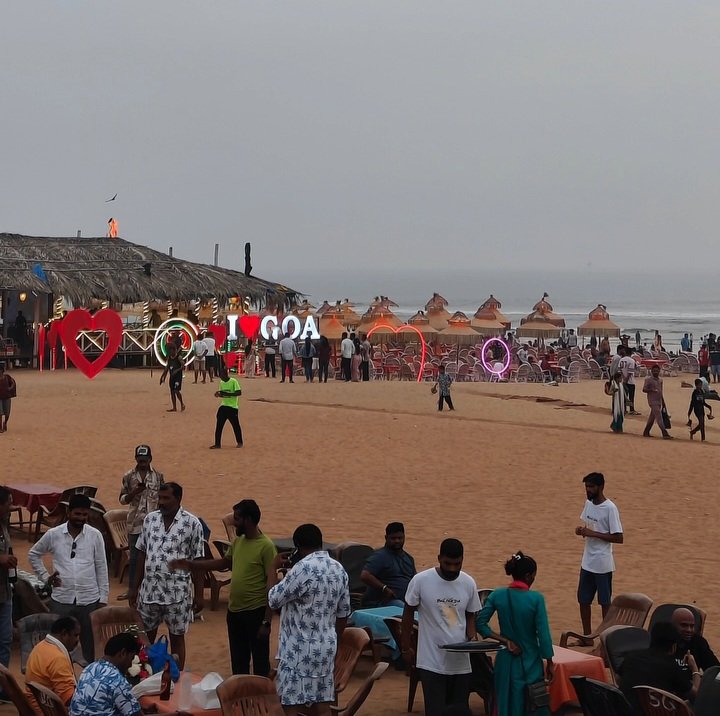
Baga Beach is located in the northern part of Goa, a region that has grown into one of India’s most popular coastal tourist hubs because of its vibrant culture, energetic nightlife, and the perfect blend of natural beauty and human activity. When people ask which part of Goa Baga belongs to, the simple answer is North Goa, but understanding the deeper character of the area requires much more than a one-line explanation. North Goa isn’t just a geographical zone; it is a unique ecosystem of beaches, markets, shacks, clubs, and local communities that have shaped the identity of Goa’s tourism for decades. Baga, positioned close to Calangute and Anjuna, stands out as the heart of this northern stretch, where the flow of visitors, the rhythm of music, and the scent of coastal air merge into an experience that many travellers describe as timeless. Its location along the Arabian Sea coastline gives it not only scenic beauty but also proximity to many important attractions, which explains why Baga has become one of the most talked-about beaches in India. The northern placement also means that Baga enjoys easy access through well-connected roads, lively neighbouring villages, and a range of experiences that keep visitors engaged from morning walks on the sand to late-night entertainment under the starry skies.
Baga’s position in North Goa has played a major role in shaping its atmosphere and energy. North Goa is traditionally known for its youthful, free-spirited, and easygoing vibe, and Baga reflects this spirit in every corner. While South Goa is quieter and more laid-back, Baga represents the part of Goa where travellers come to feel alive, meet new people, and allow themselves to be swept into the charm of coastal celebrations. Being situated in the northern belt also means Baga has developed into a centre where tourism sustains much of the local economy. Cafés, art shops, tattoo studios, fishing boats, water sports operators, and nightclubs operate in harmony, creating a living environment that shifts in mood as the day progresses. In the morning, Baga is peaceful, with soft waves meeting the sand and fishermen preparing for their routines. As afternoon approaches, the beach becomes a playground for adventure lovers seeking parasailing, jet skiing, and banana boat rides. By evening, the shacks light up, aromas of grilled seafood fill the air, and live music begins blending with the natural rhythm of the sea. All of this is possible because of the region’s culture, geography, and long history of tourism shaping itself around the needs and expectations of travellers visiting North Goa.
The history of Baga and its place in North Goa is as fascinating as its present-day charm. Before tourism flourished, this region was primarily a fishing community where locals depended on the sea for their livelihood. The name Baga itself comes from a small creek that flows into the Arabian Sea, known as the Baga Creek, which still retains its ecological significance today. As backpackers and foreign travellers discovered Goa in the 1960s and 70s, the northern belt began to evolve as a haven for freedom, music, art, and alternative lifestyles. Baga, being located neatly between the energetic Calangute and the alternative culture of Anjuna, naturally grew into a centre of activity. Its location allowed travellers easy movement across the northern coastline, transforming Baga from a simple fishing area into a vibrant tourism hub that is now globally recognised. Over the decades, businesses developed around this growing wave of visitors, and the area evolved into a mix of tradition and modernity. Still, many locals continue their fishing practices, and one only needs to visit early in the morning to witness nets being pulled from the water and boats arriving with fresh catch. This blend of heritage and tourism gives Baga a deeply rooted identity that cannot be replicated elsewhere.
Baga’s northern setting also gives it a strategic advantage when it comes to accessibility. Travellers arriving in Goa usually land at the Manohar International Airport in Mopa or the Dabolim Airport, and reaching Baga is easier compared to many southern beaches because of the well-structured arteries of North Goa’s road network. The drive through northern villages, fields, and coastal areas introduces visitors to the region’s authentic feel even before they arrive at the beach. Taxis, rental bikes, and buses all operate frequently in North Goa, making Baga extremely easy to reach. Because it sits close to major tourist centres like Calangute, Candolim, Anjuna, and Vagator, visitors often explore more of Goa’s northern belt in a single trip without needing long travel times. This interconnectedness is a big part of why Baga became prominent; it is not isolated but rather positioned at the crossroads of experiences, allowing tourists to feel that they are in the middle of everything they want to see, taste, try, or explore.
Another defining aspect of Baga’s identity in North Goa is its nightlife. The region is widely known as the nightlife capital of India, and Baga is arguably the most iconic part of this scene. Tito’s Lane, located just a short walk from the beach, becomes a buzzing hub of music lovers, food enthusiasts, dancers, and explorers every night. From well-known clubs to smaller bars offering live performances, the area wakes up as the sun sets, inviting travellers to experience a side of Goa that is vibrant and full of movement. Nightlife in Baga is not just about drinking or dancing; it is about the shared energy, the open-air atmosphere, the beach breeze mixing with the music, and the freedom people feel when they realise that no one is judged, no one is hurried, and everyone is simply there to enjoy the moment. The location in North Goa enables this because the culture of the region supports artistic expression, music-driven evenings, and a social lifestyle that complements the coastal ambiance.
Food is another element deeply influenced by Baga’s position in the northern part of the state. North Goa has long been known for its café culture, global culinary influences, and lively beach shacks serving dishes that reflect the diversity of travellers who come here. At Baga, the menus represent a world of flavours, from traditional Goan curries to fresh seafood grilled with local spices, continental spreads, and even experimental cuisine crafted by modern cafés. Because Baga draws people from around the world, the food scene here has grown into one of the most dynamic in Goa. While South Goa is more traditional and calm, North Goa offers a dining environment full of conversation, music, and movement. Food at Baga is not just about eating; it is about atmosphere, energy, and the feeling of being part of the northern coastline’s cultural heartbeat. Eating at a beach shack as waves break just a few meters away becomes a memory that many travellers cherish long after their holiday ends.
The coastal environment of Baga Beach also benefits from its northern location. North Goa’s beaches are known for being wider, more active, and more accessible, making them suitable for tourism, water sports, and gatherings. Baga’s shoreline is particularly lively, with long stretches where people can sunbathe, play, swim, and walk without interruption. The northern coastal wind patterns keep the beach cooler in December and January, which is why Baga feels refreshing even during afternoons. Because the beach is active throughout the day, lifeguards, vendors, and shack staff maintain a presence that helps travellers feel comfortable and safe. The creek area along one side of Baga adds ecological diversity, attracting birds and offering a calmer water body compared to the stronger waves on the main shoreline. The natural environment, although busy, retains pockets of tranquility that reveal how deeply connected this region still is to its roots.
Shopping is another aspect that Baga benefits from due to its North Goa location. The northern belt is home to some of Goa’s most famous markets, including the Anjuna Flea Market and the Mapusa Market. These shopping areas are easily accessible from Baga and enhance the overall traveler experience. In the lanes around the beach, small shops selling souvenirs, handmade jewellery, beachwear, bags, and Goan crafts offer visitors a chance to take home a piece of the region’s culture. These markets are vibrant, full of colour and character, reflecting the artistic influence of North Goa’s multicultural heritage. Even simple activities like walking through Baga’s local lanes can provide glimpses into Goan life, as shopkeepers greet travellers with warmth, share stories, and offer goods that truly represent the spirit of the northern coastline.
The festive season in Baga is yet another reason why its North Goa location feels special. December, Christmas, and New Year bring an unmatched level of excitement to the northern beaches, especially Baga. The entire area becomes illuminated with decorative lights, music fills the air from every direction, and travellers gather near the shore to celebrate the end of the year in a way that feels unforgettable. Being in North Goa means being part of a larger social environment where gatherings, concerts, parties, and community events happen organically. Baga sits at the centre of this festive energy, drawing families, groups of friends, and solo travellers who want to experience Goa at its most beautiful time. The cool weather enhances the night celebrations, making long beachside dinners and late-night walks extremely enjoyable.
Despite all the activity around Baga, its North Goa placement also provides moments of peace if travellers know where to look. The creek area, early morning hours on the sand, and the soft sound of waves after midnight reveal a more serene side of the region. These quieter moments highlight that Baga is not only a party destination but also a coastal space where the sea meets human emotion in the simplest and most natural way. Many travellers return to Baga not just for the excitement but for the memories of these gentle experiences that help them feel connected to the region’s landscape.
North Goa’s influence on Baga extends into lifestyle as well. The people of this region embrace a blend of modern tourism and traditional Goan living. Music, art, fishing, festivals, and food all coexist, creating a cultural environment that travellers feel instantly welcomed into. The casual friendliness of locals, the multilingual conversations on the beach, and the mix of global and Indian cultures create a social fabric that is unique to the northern part of the state. This cultural richness shapes Baga’s identity strongly and helps it remain one of Goa’s most beloved destinations.
Finally, Baga Beach being in North Goa is not just a geographical fact but a story about how location shapes culture, tourism, identity, and emotion. Everything Baga is known for—its social energy, nightlife, food culture, water sports, music, markets, and festive charm—exists because of the spirit of North Goa. When travellers ask where Baga Beach is located, the answer may start with North Goa, but to truly understand this place is to explore how deeply its surroundings have influenced its personality over the years. Baga reflects the heart of Goa’s northern coastline, a region that continues to evolve while preserving its charm, warmth, and natural beauty. It is a beach that feels alive, welcoming people into an atmosphere that captures the essence of what Goa means to the world: freedom, celebration, culture, and the joy of being close to the sea.