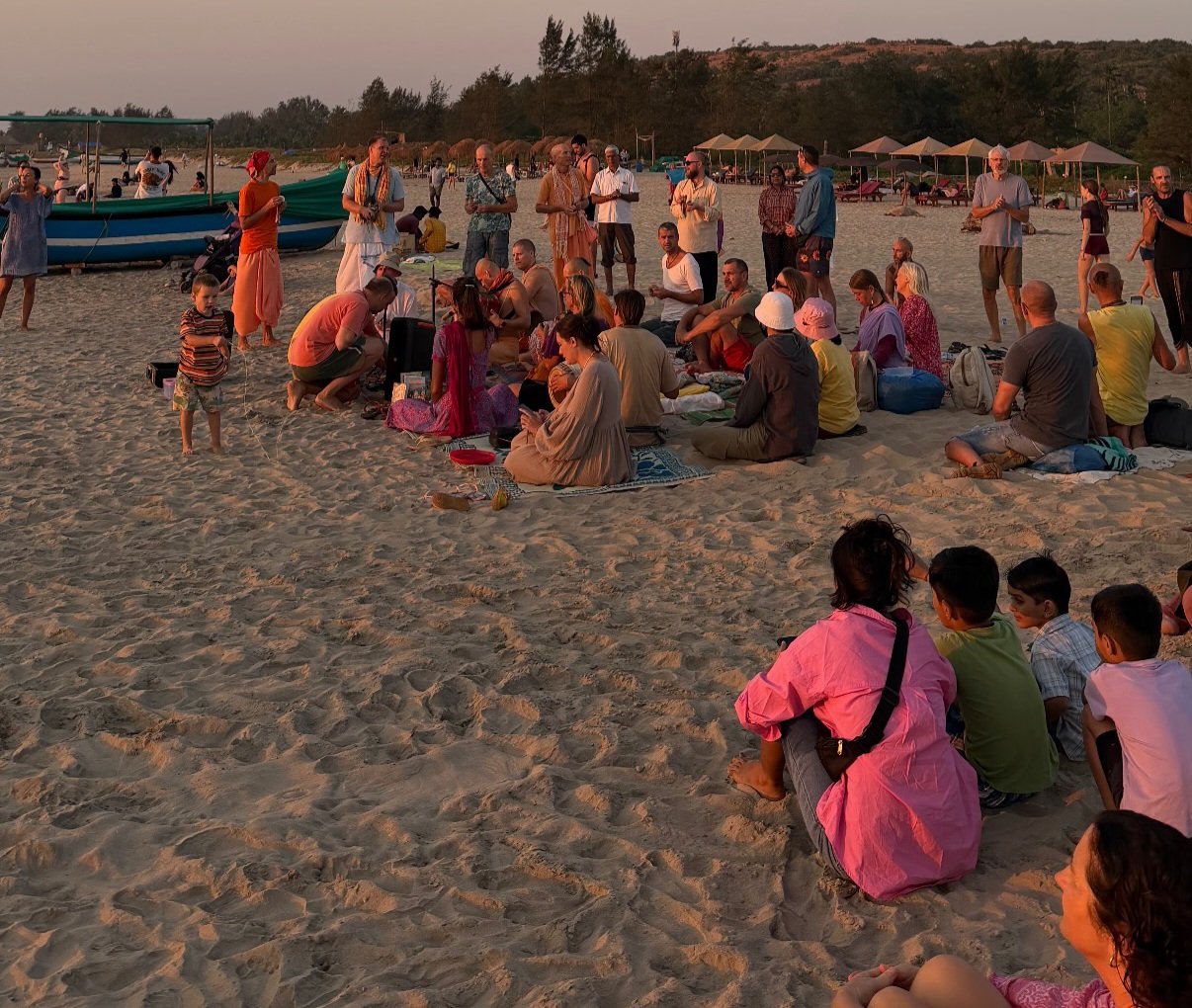
Goa reveals its true personality when the daylight fades and the streets begin to glow. While beaches and resorts may attract attention during the day, the real essence of Goa comes alive at night through its late street festive culture, often referred to as the Late Bistrav Street Festive of Goa. This is not a one-time celebration or a planned festival, but a nightly transformation where ordinary roads turn into vibrant social spaces. As cafés open their doors to the streets, food stalls light their grills, and music drifts through the warm coastal air, Goa becomes an open-air celebration shaped by people, conversations, and shared moments rather than schedules or stages.
The Late Bistrav Street Festive of Goa is best understood as a lifestyle rather than an event. It begins quietly, without announcements or countdowns. After sunset, when the heat softens and the breeze carries the smell of the sea, Goan streets slowly change character. Roads that look ordinary during the day turn into lively social corridors where locals, tourists, artists, food lovers, and wanderers blend naturally. This transformation happens across North Goa, Central Goa, and even selected pockets of South Goa, making it a statewide cultural rhythm rather than a single location experience.
What makes this street festive culture special is its effortless authenticity. There are no barricades, no ticket counters, and no forced entertainment. Everything unfolds organically. A small café adds extra chairs outside, a vendor sets up a grill on the pavement, a musician begins tuning a guitar, and suddenly the street feels alive. People stop walking fast. Conversations slow down. Time feels less important. This relaxed pace is something visitors actively search for when they look up “real Goa nightlife” or “authentic Goa street experience.”
Food becomes the strongest attraction during the Late Bistrav Street Festive hours. As night deepens, roadside bistravs and local food joints take center stage. The smell of Goan spices, freshly baked bread, grilled fish, and slow-cooked curries fills the air. Unlike restaurant dining, street-side eating in Goa feels personal. You can see the cooking, ask questions, and even watch recipes being prepared the way locals have done for decades. This creates trust and connection, which is why many travelers say their best meals in Goa were eaten standing beside a street stall rather than sitting in a luxury dining room.
Seafood dominates many of these late-night street menus, reflecting Goa’s coastal soul. Prawns, mackerel, kingfish, and squid are prepared fresh, often using family masalas that are never written down. Alongside seafood, classic snacks like cutlet pao, chorizo bread, and spicy sausages become crowd favorites. These dishes are not rushed. They are cooked slowly, served hot, and enjoyed without hurry. This is one of the main reasons searches related to “Goa night street food” and “best food streets in Goa” continue to rise among travelers.
Music is another layer that defines the Late Bistrav Street Festive of Goa. It doesn’t dominate the streets but gently weaves through them. Acoustic guitars, soft percussion, old Konkani songs, Portuguese-influenced tunes, jazz, reggae, and mellow English classics form the soundtrack of the night. In many places, the music feels almost accidental, as if it grew naturally from the mood of the street. People pause, listen, smile, and sometimes sing along, turning the experience into a shared moment rather than a performance.
In areas like Anjuna, Arambol, Assagao, and parts of Panjim, music often becomes international without losing its Goan flavor. Travelers from different countries join local musicians, creating spontaneous collaborations. These moments reflect Goa’s long history as a meeting point of cultures. For visitors searching for “live music streets in Goa” or “acoustic nights in Goa,” these unplanned performances become unforgettable highlights.
The visual atmosphere of Goa’s late-night street festive culture adds depth to the experience. Soft yellow lights, fairy bulbs, lanterns, and candle-lit tables replace harsh lighting. Old houses, palm-lined roads, colorful walls, and narrow lanes glow gently under this warmth. The absence of excessive neon keeps the environment calm and welcoming. Couples stroll slowly, solo travelers feel comfortable stopping to observe, and photographers capture moments without disturbing the scene.
Street shopping naturally blends into the festive mood. Handmade jewelry, beachwear, scarves, artwork, shells, and bohemian accessories line the sidewalks. Sellers are usually relaxed, more interested in conversation than quick sales. Many of them are artists or craftsmen who return to Goa every season. Buying from them feels meaningful because each product carries a story. This is why travelers searching for “Goa street shopping at night” often prefer these festive streets over crowded commercial markets.
One of the most important aspects of the Late Bistrav Street Festive of Goa is human connection. Locals don’t isolate themselves from tourists, and tourists don’t feel like outsiders. Conversations begin easily, often over food or music. Languages mix naturally, with Konkani, English, Hindi, and foreign accents blending into one soundscape. This openness makes the street festive experience emotionally rich rather than visually overwhelming.
During major festive seasons like Christmas, New Year, Carnival, and Easter, this street culture becomes even more magical. Decorations appear on balconies, lights stretch across lanes, and churches nearby add a spiritual glow to the night. In Panjim and Mapusa, heritage streets feel especially alive, combining history, faith, and celebration into one experience. These nights feel less like tourism and more like being invited into Goa’s personal celebrations.
Safety and comfort play a silent but important role in sustaining this culture. Active streets, community awareness, and regular patrolling make late-night walking feel secure in popular areas. Families, couples, and solo travelers move freely without fear. This sense of ease is essential for genuine enjoyment and contributes to Goa’s reputation as one of India’s most welcoming travel destinations.
What truly separates the Late Bistrav Street Festive of Goa from typical nightlife is its lack of pressure. There is no obligation to drink, dance, or spend excessively. People come and go as they please. Some stay for hours, others pass through briefly. The street accepts everyone’s pace. This freedom is rare in modern nightlife spaces and is one reason why Goa’s street festive culture feels timeless.
As the night progresses, the streets don’t shut down suddenly. The energy fades slowly. Music softens, stalls close one by one, and people drift back to their accommodations. The ending feels gentle, respectful, and complete. It leaves behind a sense of contentment rather than fatigue. This quiet conclusion reflects Goa’s philosophy of balance, enjoyment without excess.
In an age where travel experiences are often packaged and sold, Goa’s late-night street festive culture remains refreshingly human. It doesn’t chase trends or compete for attention. It simply opens its streets, shares its food, plays its music, and invites people to slow down. That quiet confidence is what stays with visitors long after the trip ends.