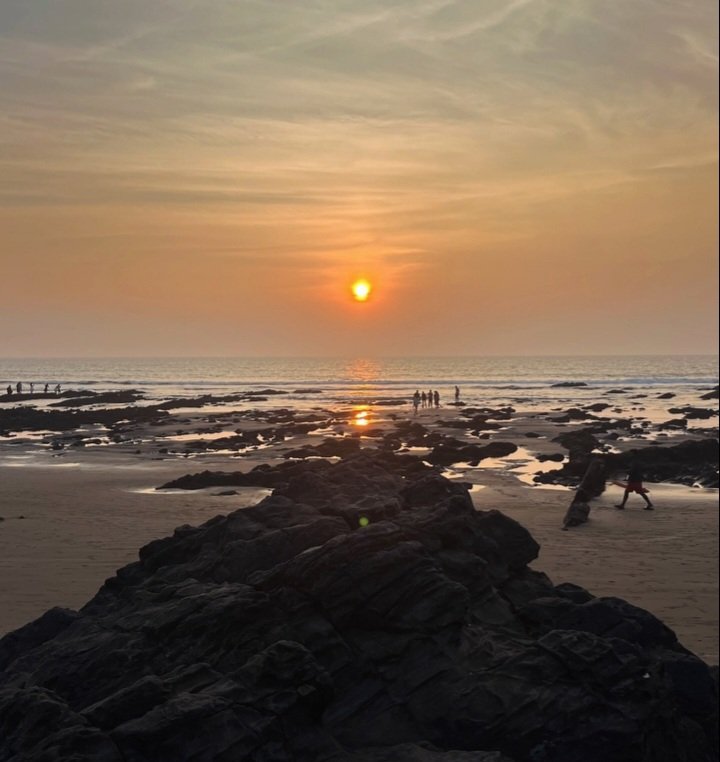
Goa has a distinct charm that settles into your senses the moment you arrive, a feeling created not just by its beaches but by the rhythm of life that moves gently through its towns, villages, and coastal stretches. The air carries the fragrance of salt and warm breezes drifting through long rows of coconut palms, while the colourful houses, old churches, and shaded lanes reflect a blend of Portuguese legacy and local Goan warmth. Time seems to slow down here, allowing visitors to relax naturally without forcing themselves into a holiday mood. Every corner of Goa feels inviting—morning sunlight glinting on calm waters, fishermen returning with their catch, children playing near village squares, and the echo of music floating softly from shacks as evening approaches. Whether someone is drawn to history, scenic views, spirituality, nightlife, food, or quiet corners to reflect, Goa provides a different experience for every traveller. It is a destination that doesn’t just offer places to see—it offers a feeling that lingers long after you leave.
Calangute Beach
Among the many iconic destinations scattered across Goa, Calangute Beach has always stood out as a place where the energy of travelers meets the warm, unhurried Goan lifestyle. As you walk down the wide shoreline, the sound of the tide keeps blending with the distant music coming from shacks that welcome visitors throughout the day. This beach is known not just for its golden sand but also for the way it effortlessly brings together backpackers, families, and adventure lovers. The atmosphere becomes livelier as the sun moves higher, with water sports operators preparing their jet skis, parasailing boats, and banana rides. While the afternoons can be busy, many people find comfort in a shaded corner of a shack where fresh seafood and chilled drinks create the perfect coastal escape. Evenings are when Calangute transforms completely, glowing under lantern lights as the sky changes colour. People stroll around without any hurry, exploring local shops, or taking long walks with the waves touching their feet. Calangute may be crowded at times, but its charm lies in the way it captures the true essence of Goa: vibrant, welcoming, and endlessly soothing.
Baga Beach
Just a short walk from Calangute lies Baga Beach, a place that hits a different rhythm altogether. This beach is known for its nightlife, bustling lanes, and a kind of youthful energy that never seems to dim. During the day, the beach is filled with visitors who enjoy swimming in the comparatively calmer waters or relaxing on sunbeds arranged by local shacks. Small fishing boats dot the coastline, adding a touch of authenticity that reminds visitors of Goa’s traditional roots even in the middle of modern buzz. As the afternoon slips into evening, Baga’s streets begin transforming, with music echoing from popular clubs and restaurants that turn into hotspots for nightlife lovers. Unlike many beaches that become quiet after sunset, Baga truly wakes up after dark. People come here not only for the beach but also for the food culture that thrives around it. Whether someone is relishing a plate of prawns, listening to live music, or simply observing the lively crowd, Baga delivers an experience rich with sound, flavour, and excitement. What makes Baga special is its ability to combine adventure, food, music, and beach vibes into one seamless memory.
Fort Aguada
Dominating the cliffs overlooking Sinquerim Beach, Fort Aguada has an atmosphere that feels both historical and timeless. Walking through its sturdy laterite stone walls, you can almost imagine the era when Portuguese soldiers patrolled these passages, watching for ships approaching the coastline. The fort was built in the 17th century, and even today it remains one of the best-preserved examples of Portuguese architecture in India. Many visitors come here for its stunning views of the Arabian Sea, which stretch uninterrupted across the horizon. The lighthouse, though not open to the public today, still stands tall as a reminder of how important navigation was for early explorers. Unlike crowded beaches, Fort Aguada offers an environment where you can take your time, sit on the walls, and watch the changing colours of the sky. The sound of the waves crashing far below seems to enhance its ancient appeal, making it a favourite among photographers and history lovers. The fort’s open spaces, sturdy bastions, and scenic cliffside surroundings give visitors a chance to step out of the modern world and into a chapter of Goa’s maritime past.
Dona Paula
Few places in Goa blend romance and scenic beauty as naturally as Dona Paula. The viewpoint sits on a cliff where the Mandovi and Zuari rivers meet the Arabian Sea, creating a panorama that feels endlessly peaceful. The breeze is constant here, offering visitors a refreshing escape even during warmer months. The place gets its name from an old Goan tale associated with Dona Paula de Menezes, and even though the story takes on different versions, the emotional aura around the viewpoint never fades. It is especially popular during sunset when the sky paints itself in soft oranges and purples, and couples sit quietly along the railings, soaking in the moment. Beyond the viewpoint, the surrounding area is dotted with small shops, cafes, and scenic corners that attract tourists for photographs. There is also easy access to water sports nearby, making the region lively without disturbing its calmer identity. Dona Paula captures the emotional side of Goa, reminding people that the state isn’t just about beaches and nightlife but also about places where stillness becomes a memory in itself.
Basilica of Bom Jesus
Located in Old Goa, the Basilica of Bom Jesus is one of the most spiritually significant and architecturally impressive monuments in the region. The moment you step inside, the quietness of the church sets a tone of reverence that feels unmatched. The structure is known for housing the mortal remains of St. Francis Xavier, attracting visitors from around the world who come seeking blessings or simply to admire the historical significance. Unlike many churches that follow more elaborate decorative styles, this basilica reveals its beauty through simple yet imposing details, from its high ceilings to wooden altars carved with deep artistic devotion. Sunlight filtering through the windows creates a soft glow that enhances the spiritual feel of the space. Outside, the courtyard and surrounding green patches give visitors time to pause and reflect. For many people, the basilica represents a different side of Goa—one rooted in faith, history, and centuries of cultural influence. A walk through its halls often leaves people feeling calmer and more connected to the heritage of the land.
Se Cathedral
Just across from the Basilica of Bom Jesus stands the majestic Se Cathedral, a structure that impresses with its sheer size and architectural symmetry. Dedicated to St. Catherine, the cathedral is one of the largest churches in Asia and features a grand façade adorned with elegant Portuguese-style detailing. The moment you enter, you notice how spacious it feels, with high ceilings supported by long rows of pillars that seem to draw your gaze upward. The golden altar at the far end captures attention, surrounded by intricate carvings that reveal the artistic craftsmanship of earlier centuries. For many visitors, the cathedral becomes more than just a historical site; it becomes a place to slow down and appreciate how religion shaped the cultural identity of Old Goa. Even today, the church stands strong against the passing of time, offering a quiet retreat for those who want to absorb the deeper essence of Goan history. The surrounding complex, with its lawns and pathways, adds to the peaceful experience and encourages people to spend more time exploring the heritage-rich neighbourhood.
Chapora Fort
Perched on a hill above Vagator Beach, Chapora Fort offers one of the most captivating views you can experience in Goa. Although the fort itself remains mostly in ruins, the atmosphere it creates is powerful enough to attract thousands of visitors every year. Climbing up the path feels like a small adventure, especially as the landscape slowly opens up to reveal panoramic views of the Arabian Sea. The wind up here is stronger, carrying a sense of freedom as you walk along the edges of the fort walls. Many people visit Chapora for its famous sunset views, where the sky slowly melts into the sea and the coastline below turns golden. The fort gained additional popularity after appearing in Bollywood films, but even without cinematic fame, its natural beauty is reason enough to visit. Chapora is one of those places where you feel completely present in the moment—standing on an ancient structure, watching waves crash far below, and allowing the vastness around you to calm your thoughts.
Aguada Lighthouse and Jail Museum
A short distance from the main Aguada fortification lies the Aguada Lighthouse and the recently developed Jail Museum, which together give visitors a deeper look into Goa’s maritime and colonial past. The lighthouse, though no longer operational, remains an iconic symbol of the region’s navigation history. Its circular structure sits quietly, reminding people of the days when sailors relied heavily on such beacons for safe passage. The Aguada Jail Museum, redeveloped from the old prison complex, presents insightful exhibits detailing freedom struggles, colonial rule, and stories of prisoners held here. Walking through the corridors and open spaces of the museum offers a reflective atmosphere that contrasts with the scenic beauty around it. Visitors appreciate knowing that Goa is not just beaches and tourism but also a land with serious historical episodes that shaped its identity. The blend of natural surroundings and historical depth makes this site particularly meaningful, allowing tourists to experience learning and leisure together.
Anjuna Beach
Famous for its rocky shoreline, colourful flea market, and youthful atmosphere, Anjuna Beach has a charm that feels distinctly different from most other beaches in Goa. The rocks scattered along the coast create natural sitting spots where people often gather during sunset to enjoy music, conversations, or simply the peaceful sound of waves breaking against stone. Anjuna’s weekly flea market is a major attraction, drawing vendors and visitors from all over the world. The market becomes a vibrant space of artistic handicrafts, clothing, jewellery, and souvenirs that reflect Goa’s multicultural spirit. Beyond shopping, Anjuna has several cafes that encourage slow, meaningful experiences rather than hurried tourism. Whether you’re sitting inside a cliffside café or walking along the shoreline at dusk, the atmosphere makes you feel as though time has slowed down just enough for you to absorb every detail.
Vagator Beach
Just north of Anjuna lies Vagator Beach, known for its dramatic red cliffs, open coastline, and a sense of calmness that appeals to those seeking a more relaxed environment. The beach is divided into smaller sections, each offering different views and vibes. Standing atop the cliffs gives a surreal perspective of the curved shoreline and deep blue sea. People love coming here during early mornings when the breeze is cooler, and the entire beach feels untouched and peaceful. The waves at Vagator tend to be gentle, making it a pleasant spot for long walks along the water. There are also small cafes and juice bars around the cliff area where visitors can rest while watching the sea. Vagator’s natural beauty speaks for itself, and even without many commercial attractions, the beach remains one of the most visually appealing places in North Goa.
Old Goa Churches Complex
The entire Old Goa heritage zone deserves recognition as one of the most important sightseeing regions in the state. With its collection of cathedrals, chapels, museums, and ruins, the area tells a layered story of Goa’s colonial past. Walking through these ancient lanes feels like travelling back in time. Every structure represents a chapter in the history of Portuguese influence, from grand facades to quiet chapels hidden under trees. Many visitors choose to explore the complex on foot to absorb the details carved into walls and pillars that would otherwise be overlooked. Beyond the famous basilica and cathedral, there are also sites like St. Augustine Tower and the Church of St. Cajetan, each carrying unique architectural and cultural value. Old Goa is one of those destinations where sightseeing becomes more meaningful because you’re learning something with every step.
Miramar Beach
Located close to Panaji, Miramar Beach offers a city-side coastal experience that balances tranquillity with convenience. It’s a beach that many locals visit for morning walks, jogging, or simply spending quiet time near the water. The view from Miramar extends across the meeting point of the Mandovi River and the sea, creating a gentle blend of fresh breeze and soft waves. Unlike busier beaches such as Baga or Calangute, Miramar maintains a slower rhythm, inviting visitors to unwind rather than rush into activities. Children often enjoy flying kites here, while families gather in the evenings to watch the sunset. With its broad promenade and clean surroundings, Miramar is ideal for those who prefer calm beaches without commercial crowds. The location also makes it easy to explore nearby attractions like Dona Paula or the casinos along the Mandovi River.
Colva Beach
Moving to South Goa, Colva Beach stands out for its long stretch of white sand bordered by swaying palm trees and quieter surroundings. It’s one of the oldest and most traditional beaches in the region, attracting families, local residents, and travellers looking for relaxation rather than constant activity. The atmosphere here is more laid-back, with beach shacks offering simple yet delicious seafood and drinks. Visitors often enjoy long walks in the cool morning hours when the tide is gentle and the sand feels soft underfoot. As the day progresses, fishermen return with their catch, reminding everyone that Goa’s essence still lies in its coastal traditions. Colva’s beauty comes from its simplicity—you don’t need activities or entertainment here because the natural environment itself provides a soothing escape from everyday life.
Palolem Beach
One of the biggest highlights of South Goa is Palolem Beach, a crescent-shaped paradise known for its calm waters, scenic views, and serene ambience. The beach is lined with charming huts and cafes that blend naturally into the landscape, giving the entire area a warm, welcoming feel. Palolem’s gentle waves make it perfect for swimming, and many visitors spend hours simply floating or relaxing by the water. What makes Palolem special is the balance it maintains between natural beauty and traveller-friendly comfort. Early mornings here feel magical, with fishermen setting out into the sea and the first rays of sunlight giving the water a golden shimmer. Evenings at Palolem bring a different charm, with soft music, dim lights, and people gathering to unwind after a peaceful day. It’s the kind of beach that stays with you long after you leave, because its atmosphere connects deeply with your senses.
Agonda Beach
For those who prefer even quieter surroundings, Agonda Beach offers a sanctuary-like atmosphere where the world seems to slow down. Surrounded by hills and lush greenery, the beach is less commercial than many others in Goa, allowing visitors to enjoy a nearly untouched environment. The sand is smooth, the waves steady, and the shores clean enough to walk barefoot for long distances. The silence here is comforting rather than empty, broken only by the natural sound of water and wind. Agonda is also a nesting site for Olive Ridley turtles, giving it ecological significance. Many travellers come here seeking solitude—reading books, practicing yoga, or simply reconnecting with themselves. Even the cafes and stay options in Agonda maintain a simple and eco-friendly approach, making the beach ideal for nature lovers who cherish minimalism.
Dudhsagar Waterfalls
Moving away from the coastline into the lush interiors of Goa, Dudhsagar Waterfalls stands as one of the most stunning natural wonders of the region. The name “Dudhsagar,” meaning sea of milk, perfectly captures the way water cascades down the rocky cliffs like flowing white foam. Surrounded by dense forests of the Bhagwan Mahavir Wildlife Sanctuary, the waterfall offers a thrilling experience even before you reach the site. Many visitors take jeep safaris through rugged forest paths, while others prefer trekking routes that immerse them fully in nature. Standing before the towering waterfall, you feel a refreshing spray of mist and a sense of awe that words can barely express. The railway bridge that runs across the falls adds a dramatic touch, making Dudhsagar one of the most photographed destinations in Goa. It represents a different side of the state—lush, wild, and breathtakingly majestic.
Mangueshi Temple
Goa’s sightseeing experience is incomplete without exploring its spiritual structures beyond the churches. Mangueshi Temple, dedicated to Lord Shiva, stands as one of the most important Hindu temples in the region. The architecture is distinct, featuring white towers, intricate carvings, and a serene courtyard that feels refreshing to walk through. The temple complex has an atmosphere of devotion that remains constant throughout the day, as devotees arrive to offer prayers and light lamps. Surrounding greenery adds to the peaceful ambience, and the nearby pond reflects the temple beautifully during early mornings. The temple’s history stretches across centuries, making it not just a place of worship but also a heritage site that reflects Goa’s multicultural identity. Visitors appreciate the calmness here, especially after exploring the more tourist-heavy coastal spots.
Shri Shantadurga Temple
Another spiritually significant stop is the Shri Shantadurga Temple, dedicated to the goddess Shantadurga, known as the goddess of peace. Located between lush forests and small villages, the temple radiates warmth and tranquillity. The red and white exterior, combined with the elegant tower and pillared hallways, creates a visually appealing structure. Inside, the atmosphere grows even quieter as devotees gather for prayers. Festivals here are celebrated with great enthusiasm and reflect Goa’s deep-rooted cultural traditions. For many visitors, this temple offers a comforting pause in their travel itinerary, allowing them to reflect and connect with the spiritual side of the state.
Fontainhas Latin Quarter
In the heart of Panaji lies Fontainhas, the Latin Quarter of Goa, where colourful Portuguese houses line narrow streets that feel like they belong to another era. The architecture here is well-preserved, featuring tiled roofs, bright facades, small balconies, and artistic street corners. Walking through Fontainhas is like stepping into a living museum, where every corner holds a story. Small bakeries, local art galleries, and cosy cafes enhance the area’s old-world charm. Many visitors enjoy taking guided walks to learn about the heritage and history behind each structure. The neighbourhood is most beautiful during the early morning or late afternoon when the sunlight adds a warm glow to the pastel-coloured buildings. Fontainhas stands as a reminder of Goa’s cultural diversity and its long connection with Portuguese influences.
Reis Magos Fort
Located across the Mandovi River, Reis Magos Fort offers one of the most panoramic views of Panaji and the surrounding waters. Restored beautifully in recent years, the fort now functions as a cultural centre and heritage museum. The climb to the top may require a little effort, but the sight that greets you—an expansive stretch of river meeting the sea—is worth every step. The fort’s interiors display historical information, art exhibits, and traditional Goan cultural elements that help visitors understand the region from a deeper perspective. The peaceful environment, combined with the fort’s strong architectural design, makes it an enriching sightseeing destination.
Betalbatim Beach
Between Colva and Majorda lies Betalbatim Beach, a lesser-known but incredibly peaceful stretch of coastline. The cleanliness and soft golden sand make it perfect for long walks, especially during early mornings when the cool breeze fills the air. Betalbatim is also famous for occasional sightings of bioluminescence, where the waves glow faintly at night due to natural plankton—a magical sight for those lucky enough to witness it. The surrounding coconut groves add to the beauty, providing shaded spots for relaxation. This beach appeals especially to travellers who want to escape the crowds and experience nature in a more intimate way.