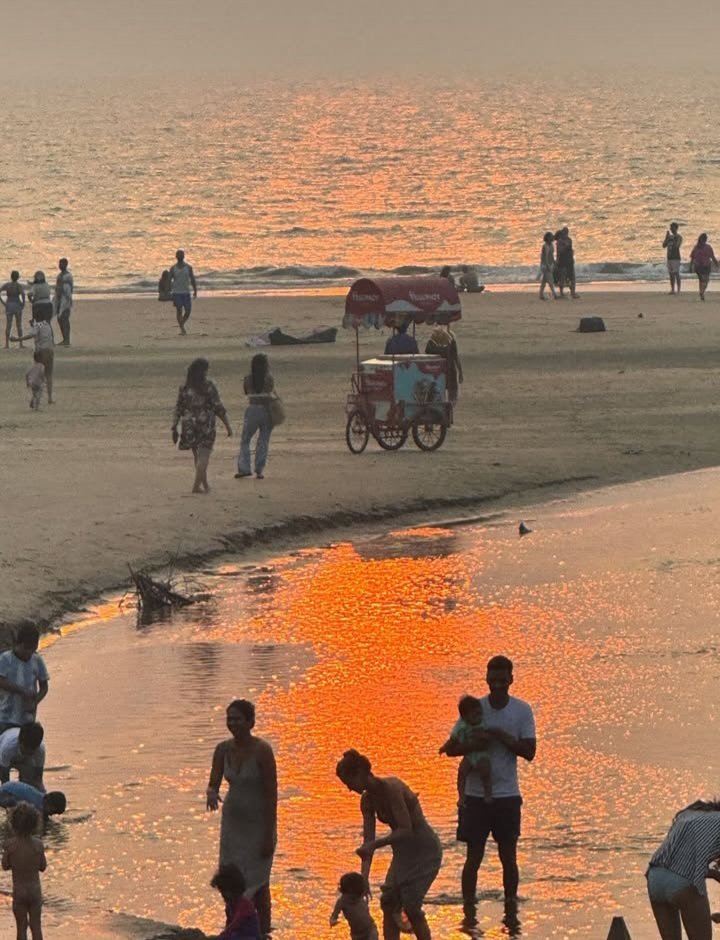
Many travellers who walk along Goa’s beaches often notice the strong presence of Russian visitors, and it raises a simple but meaningful question: what draws them here year after year, sometimes even for months at a stretch? The answer isn’t limited to sunshine, cheap holidays, or relaxed beaches; it goes much deeper into the way Russians connect with places that offer warmth, emotional comfort, cultural freedom, and a slower rhythm of life that feels impossible in the colder and more structured cities back home. Over time, Goa has become more than just a winter escape for them; it has turned into a familiar sanctuary where they can breathe without rush, meet people without barriers, and rediscover simple joys that everyday life often hides. This bond didn’t grow suddenly but evolved through stories shared by early travellers, friendships formed in beachside cafés, and the comforting feeling of being welcomed without judgment.
Understanding why Russians continue to choose Goa means understanding their psychology, climate realities, economic conditions, travel trends, and the pull of Goa’s laid-back lifestyle that feels like a refreshing break from day-to-day pressure back home.
One of the strongest reasons Russians come to Goa is the drastic contrast in climate. Russian winters are long, harsh, and often emotionally draining, with temperatures dropping to levels that keep people indoors for weeks at a time. Goa, on the other hand, offers sunshine, soft breeze, and warm beaches even in peak winter months. For someone living in Moscow, Saint Petersburg, or Siberia, the idea of sitting on a beach in December without layers of heavy clothing feels almost magical. This seasonal escape is not just about physical comfort; it is about mental reset. Winter depression is common in many cold countries, and a warm-weather destination like Goa becomes a kind of therapy where people feel the sun on their face, the sound of waves, and the freedom to simply relax without thinking of frozen roads or icy winds. When Russian tourists return home after a few weeks in Goa, they take that emotional brightness with them, and this positive feeling spreads through word of mouth, encouraging more people to visit.
Another important reason Russians come to Goa is affordability combined with quality of life. Compared to European beach destinations such as Spain, Greece, or Italy, Goa offers a much more budget-friendly holiday without compromising on the tropical atmosphere, nightlife, food variety, or cultural experience. A family from Russia can stay in Goa for weeks at the cost of a shorter holiday in Europe. Restaurants are affordable, bike rentals are cheap, and beach shacks offer good food without the pressure of luxury pricing. For many Russians, especially younger travellers, Goa becomes a place where they can stretch their money, enjoy adventures, explore nature, and experience freedom without constantly calculating expenses. This balance between low cost and high enjoyment makes Goa an attractive repeat destination, especially for long-stay tourists who stay for one to three months during winter seasons.
Goa also appeals to Russians because of its relaxed lifestyle, something that feels different from the structured, disciplined routine in Russia. Life in many Russian cities moves fast, with strong work culture, tight schedules, and long commutes. Goa, in contrast, moves at its own rhythm. Nobody rushes, conversations happen slowly, sunsets are appreciated, and days drift by in a peaceful flow. This lifestyle is something many Russians crave, and once they experience it, they keep returning. In places like Arambol, Morjim, Ashwem, Vagator, and Mandrem, this slow-life atmosphere becomes even stronger because these areas have already developed a comfortable environment where Russians find familiar cafés, shops, and communities. The beach becomes their workspace, yoga mat becomes their morning routine, and evening strolls become part of their daily rhythm. This ease of living creates a sense of belonging.
The cultural openness of Goa is also a major attraction for Russians. Goa has always welcomed people from across the world, and locals are used to interacting with travellers of different languages and lifestyles. Russians often feel accepted here even when they don’t speak fluent English or Hindi, because locals communicate with warmth, gestures, and patience. Over the years, many restaurants in North Goa even developed menus in Russian, and shopkeepers learned basic Russian phrases to make guests feel comfortable. This cultural adaptation makes Russians feel valued, which strengthens their emotional connection to Goa. They are not treated as outsiders; instead, they feel like part of a long-running tradition of international travellers who shaped Goa’s identity.
The charter flight system that became popular in the 1990s and 2000s also played a huge role in bringing Russian tourists to Goa. Holiday companies promoted Goa as an exotic yet affordable destination, and direct charter flights from Moscow and other Russian cities made travel simple and convenient. This easy accessibility encouraged group holidays, long-term stays, and repeat visits. Even today, when flight patterns have changed, the established travel habit remains strong. Families who came once often return again with friends, and older travellers now bring their children or grandchildren, continuing the cycle.
Nightlife is another appealing factor for Russian tourists. Goa’s beach parties, music festivals, full moon gatherings, and club culture offer an energy that is very different from Russian nightlife. While cities like Moscow have vibrant party scenes, they tend to be more formal, expensive, and restricted. In Goa, people dance barefoot on the sand, enjoy psytrance or electronic music, and feel a sense of liberation that is difficult to experience back home. Places like Anjuna and Vagator have built a reputation among Russian travellers as hubs of music, dance, self-expression, and creativity. For many young Russians, Goa becomes a place where they discover new sides of themselves, make international friends, and enjoy a carefree environment without judgment.
Wellness tourism is another important reason why Russians return to Goa. Yoga, meditation, Ayurveda, natural healing, and detox programs attract travellers looking for physical and emotional renewal. Russia has a growing wellness culture, but Goa offers authentic experiences with Indian traditions, experienced teachers, and peaceful surroundings. Many Russians come specifically for yoga teacher training courses in places like Arambol, Mandrem, and Palolem. These long-term programs create deep connections, and many students come back year after year for advanced training or personal retreats. Wellness travellers appreciate the calm beaches, natural landscapes, and spiritual energy that Goa naturally offers.
Food is another enjoyable reason Russians love Goa. Local Goan dishes, fresh seafood, tropical fruits, and fusion cafés give them a variety of flavours different from Russian cuisine. Many restaurants near Morjim, Ashwem, and Arambol also include Russian dishes on their menus, creating a comforting mix of familiarity and exploration. This food culture makes long stays easier because travellers don’t feel homesick; instead, they enjoy the mix of Indian spices and Russian comfort food. The café culture in Goa also matches Russian tastes, with slow mornings, coffee rituals, and the freedom to sit for hours without being rushed.
Safety perception also influences why Russians choose Goa. Despite global news often highlighting conflicts or political issues, Russians find Goa relatively peaceful and welcoming. Locals are friendly, crime rates in major tourist zones are manageable, and beach areas feel safe for families, couples, and solo travellers. Women travellers from Russia especially appreciate that they can explore markets, beaches, and cafés without feeling overly restricted. This sense of safety encourages repeat visits and long-term stays.
Goa’s natural beauty is another huge attraction. Russians love the idea of connecting with nature, especially because much of Russia’s natural landscape becomes inaccessible during winter. In Goa, they can explore waterfalls, coconut groves, mangroves, wildlife sanctuaries, spice farms, and river cruises. They enjoy trekking to Chapora Fort, watching dolphins near Candolim, witnessing sunsets at Morjim, and taking boat rides on the backwaters. This rich natural environment is a refreshing change from city life, making holidays feel rejuvenating and memorable.
Goa’s long history of welcoming international travellers also makes Russians feel comfortable. Since the hippie movement of the 1970s, Goa has built a global identity where individuality, artistic expression, and cultural exchange are celebrated. Russians who seek an escape from societal pressures find this atmosphere liberating. They can dress how they like, interact with artists, learn new creative skills, join drum circles, explore flea markets, or simply sit on the beach without worrying about how they are perceived. This emotional freedom becomes addictive, and many Russians describe Goa as a place where they “feel alive.”
The visa system also plays a role. India’s e-visa and tourism-friendly policies make it easy for Russians to travel without complicated paperwork. This ease of travel encourages spontaneous trips, long winter holidays, and budget backpacking journeys. Many countries in Europe tightened their visa rules for Russians in recent years, but India maintained an accessible process, which increased the flow of Russian tourists to Goa.
Relationships and friendships also strengthen the bond between Goa and Russian visitors. Over decades, many Russians built personal ties with local families, shack owners, restaurant staff, and small business owners. These relationships turn into long-term emotional connections, where they return not only for beaches but to reunite with people they care about. Some Russians even started small businesses, rented homes, or stayed for extended seasons, which created micro-communities within Goa. These communities give new travellers a sense of support, making Goa feel welcoming even before they arrive.
Another reason is the cultural curiosity Russians have for India. They admire Indian music, spirituality, yoga, colourful festivals, and traditional cuisine. Goa becomes an entry point into Indian culture because it offers a gentle blend of Western and Indian influences, making cultural adjustment easier. From here, many Russians also explore other Indian states, but Goa remains their emotional home base where they feel confident and comfortable.
Economic factors in Russia also push travellers toward affordable destinations. Currency fluctuations sometimes make Europe expensive, but Goa continues to offer good value even when the ruble weakens. This financial advantage encourages repeat visits and long stays. For remote workers or digital nomads from Russia, Goa becomes an inexpensive place where they can work online, live comfortably, and enjoy a tropical lifestyle without financial strain.
The artistic and creative environment of Goa also attracts Russians. Many Russian travellers are musicians, painters, photographers, dancers, and performers who love the freedom Goa offers. Beachside jam sessions, art cafés, tattoo studios, craft shops, and creative markets provide a platform where they can express their talent, earn a little money, or simply find inspiration. Goa’s creative energy feels organic and unstructured, which appeals to artists who feel restricted in more formal settings.
Sports and adventure activities also add to Russia’s interest in Goa. Activities like paragliding, scuba diving, windsurfing, kayaking, and trekking offer excitement that contrasts with the indoor lifestyle common in Russian winters. Many Russians come specifically for water sports, photography tours, bike rides through fields, and beachside fitness routines. These activities create memorable experiences that draw them back year after year.
Over time, Goa has also become a romantic destination for Russian couples. Weddings, honeymoon trips, and anniversary holidays are common because Goa combines natural beauty, peaceful beaches, delicious food, and beautiful sunset views. Couples enjoy long walks, candlelight dinners, private villas, and quiet corners away from the busier beaches. This emotional bonding with the place creates lifelong affection toward Goa.
For older Russian travellers, Goa offers health benefits. Warm weather reduces joint pain, fresh seafood supports good diet, and daily walking on the beach improves physical activity. Many retirees from Russia choose Goa for long winter stays because the climate helps them stay active and relaxed.
The familiarity factor is another significant reason. When Russians arrive in Goa, they often meet people from their own country, hear their language in cafés, see Russian signboards, and find shops selling items they recognise. This familiarity reduces the anxiety of travelling abroad and creates a sense of comfort that encourages longer visits.
Finally, the emotional connection Russians feel with Goa is the strongest reason of all. When travellers discover a place where they feel free, happy, accepted, and inspired, they naturally return. Goa gives Russians a feeling of belonging that blends tropical beauty with human warmth, cultural openness, and personal growth. Over the years, thousands of individual stories have woven into one larger narrative: Russians come to Goa because it feels like a second home, a place where life slows down, where every sunset feels meaningful, and where people rediscover a sense of joy that modern life often steals away.