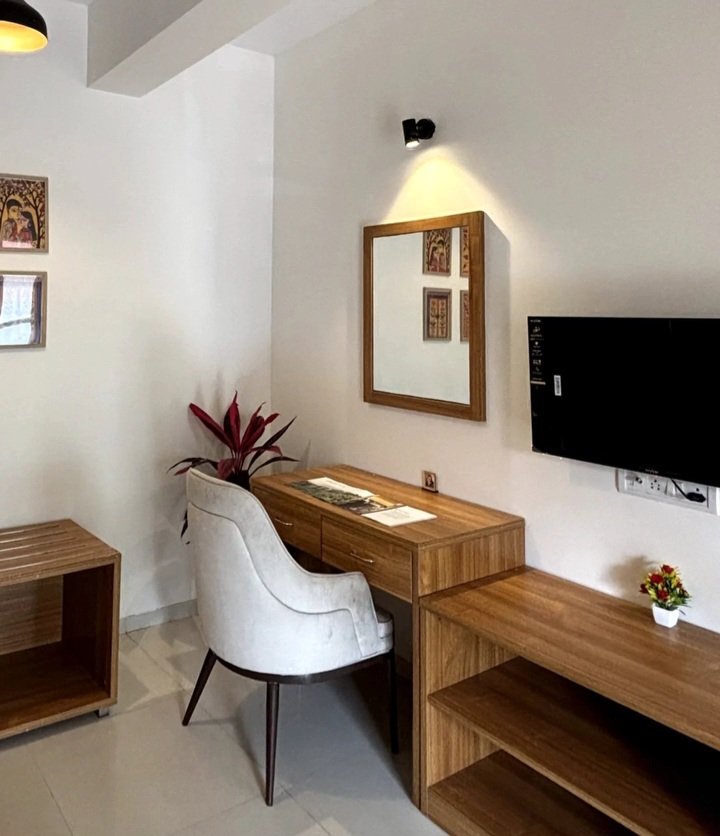
Planning a stay in Goa often looks simple from the outside, yet anyone who has actually tried booking a room during different seasons knows that it demands far more insight than just checking availability online. Goa’s tourism industry has grown sharply in the last decade, and with that growth comes a huge variety of stays—budget hostels, beach shacks, boutique homestays, party hotels, luxury resorts, business hotels and villas designed for long vacations. An expert approach to room booking in Goa means understanding not only prices but also the behaviour of the market, the seasonal fluctuations, the difference between beach belts, the unique demands of tourists and the tricks used by booking platforms. Many travelers end up paying more than necessary only because they book blindly or rely on outdated advice. A well-planned approach to Goa room booking can save significant money while giving a better experience.
Understanding the geography of Goa is the first step toward making an intelligent room booking decision. The entire state is divided broadly into North Goa and South Goa, and the hotel behaviour in these two regions is drastically different. North Goa is known for nightlife, beaches like Baga, Calangute, Vagator and Anjuna, a younger crowd, loud markets and more footfall. Because of this, room prices spike unpredictably—on weekends, during long holidays and on any event-related days. South Goa, by contrast, operates at a slower, calmer pace with beaches such as Colva, Benaulim, Betalbatim, Palolem and Agonda. South Goa hotels generally maintain steady pricing, with fewer sudden fluctuations. This difference means travelers must understand which region aligns with their purpose. A family looking for quiet relaxation pays less by staying in Benaulim than by booking a beach hotel in Baga. A group of friends seeking nightlife may find Anjuna or Vagator perfect. Knowing what you want helps filter out overpriced or mismatched stays and ensures you are spending on convenience rather than guesswork.
The next major factor affecting Goa room booking is seasonality. Unlike many destinations, Goa has a sharply defined tourism cycle: peak season, mid-season, off-season and festival spikes. Peak season runs from November to February, when the weather is pleasant, international tourists arrive and beach belts stay active until late night. During these months, room prices rise 2x to 4x compared to the rest of the year, and bookings must be made at least 45 to 60 days in advance. Hotels near Baga, Calangute and Vagator often sell out even earlier. December is especially expensive because of Christmas and New Year—arguably the most crowded period in Goa. If you understand booking trends, you can avoid the highest rates by choosing shoulder-season dates: late October, early November, late February or early March. Off-season, from June to September, offers the lowest prices of the year, often going as low as ₹700–₹1500 per night for decent rooms. But off-season also comes with heavy rains, fewer shacks and lesser nightlife. An expert traveler balances cost with purpose—choosing mid-season for mild weather and moderate pricing, or off-season for budget travel and quiet beaches.
Choosing the right type of accommodation is another key element of expert booking. A traveler who books the wrong category often ends up paying for facilities they never use. Goa has a wide range of stay types, each suited for specific travel styles. Budget travelers often prefer hostels in Anjuna, Arambol or Vagator. Hostels not only save money but also encourage social interaction, making them ideal for solo travelers. Couples usually prefer boutique hotels or homestays in South Goa for privacy and a calmer environment. Families often choose resorts with pools and kids’ activities located near Colva or Benaulim. Meanwhile, luxury travelers can opt for 5-star beach resorts in Cavelossim, Benaulim or Dona Paula. Villa rentals have also become a big trend in Goa, especially for groups of friends who prefer private pools and spacious living areas. Choosing a villa helps split costs effectively, making it more economical than booking multiple hotel rooms. The mistake many visitors make is assuming all beaches offer similar stay types. In reality, each belt has a distinct accommodation pattern. For example, Anjuna is rich in hostels and boutique hotels, while Candolim has more luxury properties and clean, spacious hotels ideal for families. Expert booking is about matching your stay type with the area that naturally offers it.
The timing of booking plays a huge role in how much you pay. Many travelers either book blindly too early or wait too close to the travel date and face inflated prices. Expert booking depends on understanding price behaviour across platforms. Generally, booking 25–35 days in advance is optimal for mid-season travel. For peak season, 45–70 days works best. But there’s an exception: last-minute deals. During off-season and sometimes mid-season on weekdays, many hotels release leftover rooms at discounted prices 24 to 48 hours before check-in. If you have flexible plans, these deals save you a lot of money. Another insight experts use is the mid-week advantage. Rooms in Goa are 18%–35% cheaper on weekdays (Mon–Thu) compared to weekends. This pattern stays consistent across the year because Indian tourists usually prefer weekend trips. If you can shift your stay by even a day or two, you can save a significant amount without compromising quality. Travelers who understand booking behaviour often do not rely on luck—they rely on patterns and market rhythm.
An expert approach to booking also includes knowing how to compare platforms. Many people only use one app, which limits their visibility and leads to missing better deals. Websites like Booking.com, Agoda, MakeMyTrip, Goibibo and Airbnb often behave differently in pricing, availability and discounts. Booking.com tends to show the most accurate guest reviews, Agoda usually provides lower prices for international-style hotels, MakeMyTrip gives strong festival offers and Goibibo sometimes has cashback deals. Airbnb is perfect for apartments and villas but requires careful reading of host ratings. The biggest mistake travelers make is assuming that a hotel listed on one platform is priced similarly on another. In reality, Goa hotels adjust prices differently across platforms depending on commission structures and ongoing promotions. Always check at least two platforms before finalizing. Additionally, many hotels in Goa give lower prices directly if you call them after first checking online. They prefer saving on commission. You can quote the online rate and negotiate. This technique often reduces your final price by 10–20%.
Location is an often-misunderstood aspect of Goa room booking. Many travelers choose hotels solely based on their price without checking how accessible the area is. A cheap hotel that is far from beaches costs more in transport and time. There is a golden rule experts follow: always stay within 1.5–2 km of your preferred beach. This gives easy access while keeping room prices reasonable. For example, staying inside Baga Beach lane is expensive and crowded, but choosing a hotel 1.5 km away in Arpora gives better rooms at lower prices while staying close enough to experience nightlife. Similarly, if you want peace but want to visit North Goa beaches occasionally, staying in Candolim is the best balance point. On the other hand, if your entire plan revolves around relaxation, it makes sense to stay deeper into South Goa like Betalbatim or Cavelossim. Expert booking ensures your hotel location supports your daily travel plan, not complicates it. Many tourists end up commuting unnecessarily because they choose rooms without understanding Goa’s distances, traffic and local transport limitations.
Amenities also matter more than most people realise. While booking a room in Goa, it is essential to check if the room provides essential facilities such as air conditioning, WiFi, parking space, breakfast, security, power backup and clean bathrooms. Goa’s tropical climate makes air conditioning extremely important, especially from March to June. Some budget hotels advertise air conditioning but have limited power backup, leading to discomfort during outages. Likewise, WiFi quality varies drastically across properties. If you plan to work during your stay, consider properties near Candolim or Panjim, where the internet is more consistent. Expert travelers don’t look at amenities as extras—they consider them essentials that determine comfort. Reading guest reviews for cleanliness, noise levels, staff behaviour and room smells is equally important. Many properties look great in photos but fail in maintenance. Experienced travelers always filter reviews by “recent” to avoid relying on outdated information.
For those who want beachfront stays, Goa requires a bit more insight. Not all beaches allow permanent beachfront hotels due to CRZ rules. Most beachfront stays are temporary shacks that get dismantled and rebuilt every year. These shacks offer the best beach experience but must be chosen carefully because quality varies. Peak season prices for beachfront huts rise significantly, while mid-season offers excellent deals. Before booking, check if the shack includes private bathrooms, 24-hour electricity and proper security. In South Goa, beachfront huts tend to be more peaceful and well-maintained than in North Goa. For example, Agonda and Palolem offer some of the best beachfront stays in the state. Expert booking is about balancing beachfront comfort with safety, which means choosing verified properties rather than unknown listings.
For villa bookings, expertise matters even more. Many villas appear attractive online but may lack staff, daily cleaning or proper management. Always check if the villa provides a caretaker and whether the pool is private or shared. Some listings advertise private pools but actually offer semi-private ones. Additionally, large villas in Goa are often located slightly away from the main beaches, so transport becomes essential. Groups should also check if the villa allows parties, as many do not permit loud music after 10 pm. Understanding these details beforehand ensures you don’t face surprise restrictions after arrival. Villas are ideal for long stays and celebrations, but expert booking requires a deeper look into host reliability.
Another crucial factor is transportation. Your hotel location determines how easily you move around Goa. North Goa is busier and walking-friendly in certain pockets like Baga and Calangute, but South Goa requires proper transport planning because beaches are distant from each other. If you stay far from main roads in South Goa, you will depend heavily on taxis, which can be expensive. Expert travelers choose locations where bike rentals are available within walking distance. This single factor impacts your overall travel cost more than hotel rates in many cases. Good hotels often have tie-ups with rental agencies, ensuring reliable vehicles and transparent pricing.
Safety is another dimension often overlooked during room booking. Some budget hotels near major party zones attract crowds that may not be suitable for families or solo women travelers. It is important to check reviews specifically mentioning safety, staff behaviour and noise levels. Many travelers prefer Candolim because it offers nightlife access while maintaining safety and cleanliness. In South Goa, areas like Colva and Benaulim are ideal for families. Understanding safety patterns ensures your stay remains comfortable and secure.
Food availability near the hotel is equally important. Some areas have plenty of multi-cuisine restaurants open late into the night, like Baga, Anjuna and Calangute. Others, particularly deep South Goa beaches, have limited late-night dining options. Expert booking involves checking restaurant availability around your stay, ensuring you don’t face inconvenience during late-night travel.
For remote workers and long-stay travelers, Goa room booking requires additional attention to electricity stability, mobile network coverage and peaceful surroundings. Certain areas like Saligao, Candolim, Porvorim and parts of South Goa near Betalbatim are preferred by long-stay guests because they offer good connectivity and fewer disturbances. Many long-stay travelers book monthly deals through Airbnb or negotiate directly with the hotel. Monthly rates are usually 45%–60% cheaper than daily prices.
Another expert insight is choosing properties with flexible cancellation policies. Goa weather can be unpredictable, and travel plans sometimes change. Booking flexible options ensures you avoid financial losses. Many travelers prefer Booking.com for this reason, as it offers free cancellation on a large number of properties.
Customer service also impacts your overall experience. The behaviour of the staff, cleanliness routines, food quality and responsiveness matter more than fancy photos. Before booking, always read reviews mentioning staff friendliness, reception professionalism and tourist support. Properties with consistent positive service reviews usually deliver a more satisfying stay.
Check-in and check-out timings in Goa also differ slightly from other states. Some hotels enforce strict timings, while others offer flexibility. Understanding these rules helps avoid waiting at reception or paying extra charges.
Finally, understanding local advice can make a big difference in your booking decisions. Many travelers prefer high-profile beaches without realising that quieter beaches offer better stays at cheaper rates. Candolim instead of Calangute, Benaulim instead of Colva, Agonda instead of Palolem—these choices improve both cost and comfort.
Goa room booking is not just about finding a place to sleep. It’s about choosing a stay that enhances your overall travel experience, aligns with your budget, supports your plans and avoids unnecessary stress. Expert booking is about awareness—knowing the right locations, seasons, platforms and amenities. With the right knowledge, you not only save money but also enjoy Goa the way it is meant to be experienced: relaxed, vibrant and memorable.