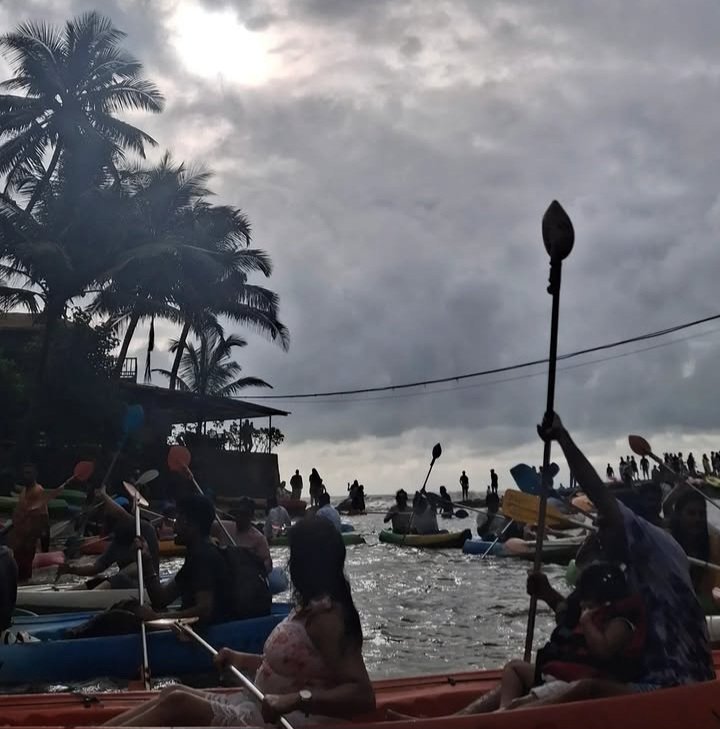
Goa has always held a special place in the hearts of travellers, not just in India but across the world. Its beaches sparkle under warm sunshine, its villages breathe slow and peaceful rhythms, and its nightlife carries a magnetic charm that draws people back again and again. But behind all the fun, relaxation, and exploration, every visitor has one unspoken expectation — to feel safe. Tourist safety in Goa is one of the most crucial aspects of travel because even the most beautiful destination becomes uncomfortable if you are not aware of your surroundings. Though Goa is considered one of India’s safest tourist states, its growing crowds, busy nightlife, seasonal rush, and varied activities make awareness essential. Safety here does not mean fear; it simply means understanding how to enjoy the state in a smarter, more relaxed way.
Travellers from different countries and cultures arrive in Goa with different expectations. Some come for peaceful holidays, others for beaches and sunsets, while many seek nightlife and parties. Yet, all of them share one common need — a sense of confidence while exploring. Goa’s beauty invites you to wander freely, but freedom becomes meaningful only when it is combined with awareness. The roads, beaches, markets, clubs, and even quiet villages require a basic understanding of how tourism here works. When you know the safe routes, the reliable transport options, the right places to swim, and the areas to avoid at night, your entire holiday becomes smoother. Goa offers comfort, but travellers must take simple steps to ensure their trip remains incident-free.
Another reason safety matters is the diversity of experiences Goa offers. Few places in India provide such a wide range of activities — clubbing, water sports, island trips, trekking, village exploration, fort climbing, and long coastal drives. But every activity carries its own risks. Swimming requires knowledge of currents, driving demands caution, nightlife needs responsibility, and exploring remote locations demands planning. Many tourists assume that Goa’s relaxed environment means nothing can go wrong. This over-confidence often leads to avoidable problems. Goa is welcoming, but like every travel destination, it demands respect and awareness. Safety is not a restriction; it is a traveler’s best friend.
Understanding Goa’s Tourism Environment
To understand tourist safety, you must first understand Goa’s tourism geography. North Goa is busy, energetic, loud, and crowded. Beaches like Baga, Calangute, Anjuna, Vagator, Candolim, and Arpora attract thousands daily. Nightlife thrives here, and almost every lane has a bar, shack, or club. This energy is exciting but also demands awareness, especially late at night. South Goa, on the other hand, is peaceful and quiet. Palolem, Agonda, Colva, Betalbatim, Varca, Cavelossim, and Benaulim offer space, calmness, and less crowd movement. But some parts get isolated after sunset, meaning safety depends more on planning.
Understanding which part of Goa you are staying in helps you make better decisions. North Goa is best for nightlife lovers but requires careful late-night navigation. South Goa is best for peace seekers but requires thoughtful transport planning because distances are long. Goa is generally safe everywhere, but the safety pattern changes from one region to another. This awareness alone can protect tourists from uncomfortable situations.
Transport Safety: Moving Around the Right Way
Transport is the backbone of any Goa trip. Whether you choose taxis, scooters, rented cars, buses, or simply walk, how you move defines how safe you remain. Most travellers rent scooters because they offer freedom and affordability. But scooter travel also brings the highest number of tourist accidents. Many visitors ride without helmets, don’t check rental vehicle condition, or underestimate narrow Goan roads. Coastal roads can be slippery in monsoon, village roads get dark after sundown, and highways demand careful speed control. Riding slowly, wearing a proper helmet, and never drinking before riding are simple rules that prevent serious accidents.
Taxis are a safer option for late-night or long-distance travel. GoaMiles, local taxis, and hotel taxis are reliable if you plan your route well. A common mistake is stepping out of a club at 2 a.m. and realising no taxi is available. This leads tourists to walk alone through quiet roads or accept random lifts. Planning your return before leaving for nightlife saves you from unsafe situations. If possible, use pre-booked taxis, confirm your return timing with drivers, and avoid walking alone at night.
In remote areas like waterfalls, spice plantations, and hinterland beaches, mobile networks weaken. Driving alone in such areas during late hours is not advisable. Travelling during the day, keeping your phone charged, carrying water, and informing your hotel about your plans ensures you stay safe even in secluded locations.
Road Safety: A Serious Concern for Tourists
Many tourists underestimate road safety in Goa. The curves, slopes, narrow bridges, and blind turns challenge even experienced riders. Alcohol consumption during beachside parties often leads tourists to make reckless decisions. Driving after even a small drink is unsafe — not only because of legal consequences but because roads get tricky after sunset. Police checks are common on weekends and festival nights, and getting caught for drunk driving can ruin your trip.
The biggest mistake tourists make is assuming scooters are harmless. But scooters require balance and alertness, especially when navigating traffic near Calangute or Anjuna. During monsoon, roads get slippery, and potholes hide under water. Wearing helmets is mandatory and essential. Tourists should also carry valid rental agreements, driving licences, and ID proof while travelling. Safe driving ensures a stress-free holiday.
Beach and Water Safety: Respecting the Sea
Goa’s beaches are beautiful but can be unpredictable. Every year, visitors assume the sea is calm and step too far into the water. Underestimating the ocean is dangerous. Rip currents, sudden depth drops, strong waves, and unexpected tides can surprise even strong swimmers. Lifeguards are present on major beaches, and their instructions must be followed at all times.
Swimming is safest in flagged areas. Yellow flags allow swimming with caution, while red flags mean “no swimming.” Ignoring these flags is extremely risky. Swimming after consuming alcohol is one of the biggest causes of beach accidents. Another unsafe habit is swimming at night. The sea becomes unpredictable after sundown, and without lifeguards, even shallow water can be dangerous.
Water sports also require awareness. Always choose licensed operators who provide proper life jackets, professional guidance, and safe equipment. Cheaper operators may compromise safety. Ask about weather conditions, avoid rides after drinking, and listen to instructors carefully. Water sports are fun only when done safely.
Nightlife Safety: Enjoying Responsibly
Goa’s nightlife is one of its biggest attractions. Clubs in Baga, Anjuna, Vagator, and Arpora come alive with music, lights, and international crowds. But nightlife also requires responsibility. Many tourist incidents occur not because of danger inside clubs but because of poor decisions outside them.
Drinking responsibly is essential. Never leave your drink unattended, never accept drinks from strangers, and stay close to your group. The walk from a club to the parking area or main road can sometimes be dark or isolated. Plan your return taxi before entering the nightclub. Keep your phone charged, and avoid unnecessary confrontations. Most clubs have good security, but your behaviour outside the venue determines your safety.
Women’s Safety: Awareness Makes the Difference
Goa is safer for women than most Indian cities, but awareness is still necessary. Women should avoid isolated beaches at night, choose well-reviewed accommodations, rely on registered taxis, and avoid walking alone on dark roads. Dressing how you like is acceptable in Goa, but unwanted stares may happen in crowded areas. Staying in groups, informing someone about your whereabouts, and trusting your instincts helps avoid discomfort.
Nightclubs are usually safe inside, but while leaving, women should ensure their transport is ready. Avoid engaging with overly friendly strangers and avoid going to unfamiliar locations with people you do not fully trust. Thousands of women travel solo safely every year because they follow simple, sensible habits.
Foreign Tourist Safety: Staying Smart in a New Place
Foreign travellers often get extra attention, sometimes positive, sometimes intrusive. Goa welcomes foreigners warmly, but tourists must stay alert. Avoid disclosing hotel details to strangers, avoid isolated areas, and refuse any offers involving drugs or illegal activities. Foreigners are sometimes overcharged at markets or taxis; checking prices beforehand helps. Swimming safety is also crucial because many foreigners are unaware of Indian ocean currents.
Foreign tourists should avoid engaging with illegal party promoters, ensure their passports are stored safely, and choose reputable rental services for scooters or cars. Staying informed ensures a smooth and pleasant trip.
Money and Belonging Safety
Tourists often carry more cash than necessary. Crowded beaches, flea markets, nightclubs, and festivals are common pickpocket areas. Keeping wallets in front pockets, using sling bags, avoiding excess jewellery, and keeping valuables in hotel safes helps prevent theft. Never leave your phone or bag unattended on the beach while swimming.
Digital payments are widely accepted in Goa, so carrying minimal cash is safer. Be cautious while withdrawing money at ATMs in isolated areas.
Accommodation Safety: Choosing the Right Stay
Always choose accommodations with:
• Good reviews
• CCTV security
• Proper lighting
• Reputed management
• Verified staff
Avoid extremely remote guesthouses unless in a group. Lock your room properly, don’t share room details with strangers, and avoid inviting unknown people inside. Hostels are popular among solo travellers but choose only the reputable ones. Luxury resorts offer higher security, but basic precautions should still be taken.
Safety at Secluded Spots
Goa’s hidden beaches, cliffs, waterfalls, and forest trails are stunning but require extra caution. These areas often lack mobile networks, lighting, and crowds. Avoid going alone, travel during the day, and avoid risky climbs or water dips. Sudden weather changes can turn peaceful areas dangerous. Inform someone before heading to remote areas.
Food and Drink Safety
Beach shacks are generally safe, but avoid poorly maintained stalls. Drink bottled water, avoid raw seafood during off-season, and don’t over-drink under the sun. Many health issues in Goa occur because travellers forget basic hydration. Carry water, eat timely meals, and avoid mixing too many drinks.
Festival and Event Safety
During New Year, EDM festivals, and weekends, Goa becomes extremely crowded. Stick with your group, avoid overcrowded exits, keep belongings secured, and stay aware. Connectivity may drop, so pre-decide meeting points.
Respecting Local Laws and Culture
Goa may feel relaxed, but laws here are strict. Avoid:
• Drugs
• Drunk driving
• Public disturbance
• Misbehaving at religious sites
• Trash dumping
Respecting culture keeps you safe and maintains harmony.
Emergency Awareness
Save these locally:
• Police
• Ambulance
• Lifeguard station
• Tourist helpline
• Hotel emergency number
Knowing whom to contact ensures quick assistance.
Tourist safety in Goa is not about fear — it is about smart travel. Goa remains one of India’s most enjoyable, friendly, and memorable destinations. The state offers everything: beaches, nightlife, history, nature, adventure, and relaxation. When you combine awareness with enjoyment, caution with curiosity, and responsibility with freedom, Goa becomes the perfect holiday destination. Most problems occur when travellers ignore basic precautions. When you stay alert, respect the surroundings, and make wise choices, your Goa trip becomes smooth, joyful, and unforgettable.