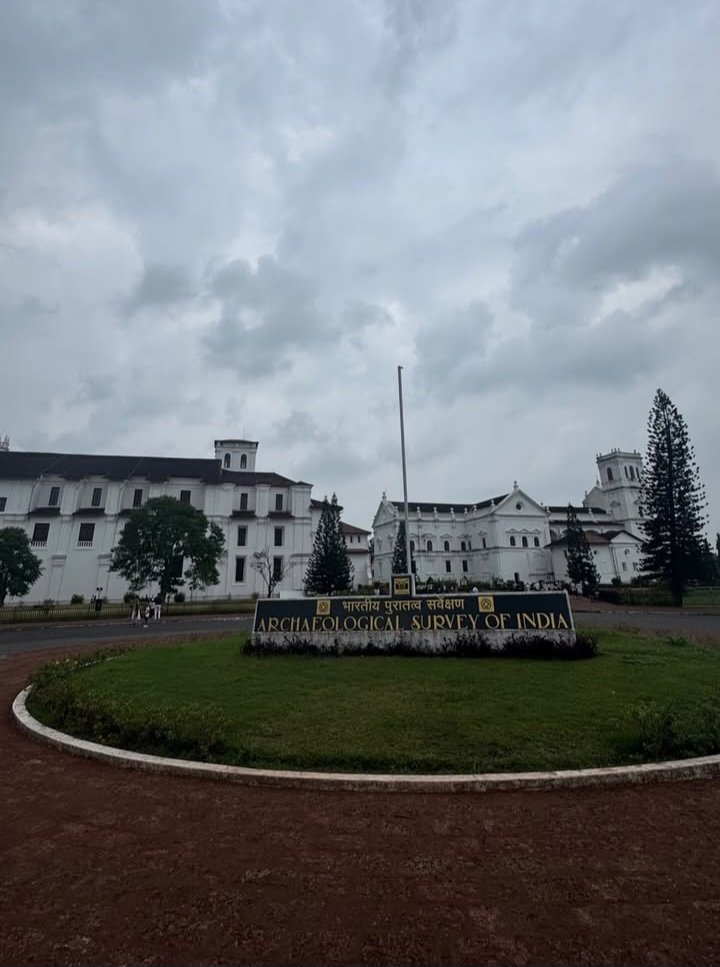
Old Goa, also known as Velha Goa, is one of the most historically important parts of the state. Located around 10 kilometers from Panjim, it was once the capital of Portuguese India and the center of political and religious power during the colonial period. The region is famous for its centuries-old churches, convents, and heritage buildings that reflect a mix of European and Indian architectural styles. Recognized as a UNESCO World Heritage Site, Old Goa attracts visitors who wish to explore Goa’s cultural roots, its artistic legacy, and the influence of Portuguese rule that shaped much of the state’s identity.
History and Legacy of Old Goa
Old Goa was founded in the 15th century by the Bijapur Sultanate and later became the Portuguese capital in 1510 when Afonso de Albuquerque captured the area. For nearly 450 years, it remained a vital center of trade, religion, and governance under Portuguese rule.
During the 16th and 17th centuries, Old Goa developed into a bustling city that connected Europe, Africa, and Asia through maritime trade. Ships arrived from Lisbon loaded with goods, spices, and missionaries, turning the region into one of Asia’s richest cities. However, epidemics and changing trade routes led to its decline by the 18th century, and the capital was eventually moved to Panjim.
Today, the remains of that glorious era survive through magnificent churches, convents, and ruins that preserve the essence of its grand past.
The Majestic Churches of Old Goa
Old Goa is known worldwide for its ancient churches, many of which are UNESCO-listed monuments. Each of these structures showcases European craftsmanship blended beautifully with local influences.
Basilica of Bom Jesus
The Basilica of Bom Jesus, built in 1605, is the most famous landmark of Old Goa. It houses the mortal remains of St. Francis Xavier, a revered Christian missionary. The church, built in Baroque style, has a simple exterior but a richly decorated interior with gilded altars, carved wood panels, and marble flooring inlaid with precious stones. The main altar dedicated to Infant Jesus remains one of the most sacred sites for visitors.
Se Cathedral
The Se Cathedral, dedicated to St. Catherine of Alexandria, is among the largest churches in Asia. Constructed to mark the Portuguese victory over Muslim rulers, it stands as a masterpiece of Manueline architecture. Its grand façade, high vaulted ceilings, and the famous “Golden Bell” are distinctive features. The interior displays carved altars and religious paintings, adding to its majesty.
Church of St. Francis of Assisi
Located beside the Se Cathedral, this church combines Tuscan, Baroque, and Corinthian styles. The main altar, dedicated to St. Francis of Assisi, glows with golden carvings. The adjoining convent has been converted into the Archaeological Museum, where ancient sculptures and colonial artifacts are displayed, giving visitors a glimpse into Goa’s transformation through centuries.
Church of St. Cajetan
Built by Italian monks of the Theatine Order, the Church of St. Cajetan resembles St. Peter’s Basilica in Rome. Its white façade, domes, and Corinthian columns make it one of the most elegant churches in Old Goa. The altar is dedicated to Our Lady of Divine Providence and surrounded by intricate wooden artwork.
Church of Our Lady of the Rosary
Constructed in the early 16th century, this is one of the oldest churches in Goa. Built by Afonso de Albuquerque, it commemorates his victory over the Bijapur Sultanate. The structure stands on a small hill with a simple yet powerful design that reflects the early phase of Portuguese architectural style.
Church of St. Augustine Ruins
The ruins of the Church of St. Augustine are among the most photographed spots in Old Goa. Built in 1602, the church once had four towers, of which only one remains standing today. The 46-meter-high tower is a silent reminder of the grandeur that once existed. Though much of it has crumbled, the site retains an atmospheric charm and historic significance.
Museums and Heritage Sites
Old Goa also houses several museums that preserve its artistic and historical legacy.
Archaeological Museum and Portrait Gallery
Set within the convent of St. Francis of Assisi, this museum displays ancient sculptures, inscriptions, coins, and portraits of Portuguese viceroys and governors. It’s an excellent place to understand how Goa evolved from a local kingdom into a global trade hub.
Museum of Christian Art
This museum features a unique collection of religious art, including silverware, ivory statues, and paintings from the 16th to 18th centuries. The exhibits highlight the fusion of European and Indian art traditions that developed during Portuguese rule.
Spiritual Importance and Festivals
Old Goa holds deep religious and cultural significance. The Feast of St. Francis Xavier, celebrated every year in early December, is one of Goa’s most important events. Pilgrims from across India and abroad come to pay homage to the saint at the Basilica of Bom Jesus.
During this time, Old Goa becomes lively with prayers, processions, and local food stalls serving Goan delicacies. The atmosphere blends faith, community spirit, and tradition, reflecting the true essence of Goan culture.
Nearby Attractions
Visitors can explore several nearby attractions that complement the Old Goa experience.
Divar Island
Located across the Mandovi River, Divar Island offers a glimpse into old-world Goan village life. The island is accessible by ferry and is known for its scenic fields, churches, and traditional homes. The Bonderam Festival, celebrated here in August, showcases local music, colorful floats, and folk performances.
Chorao Island and Dr. Salim Ali Bird Sanctuary
A short distance away lies Chorao Island, home to the Dr. Salim Ali Bird Sanctuary. Birdwatchers can enjoy boat rides through the mangroves while spotting local and migratory species in a peaceful natural setting.
Mandovi River Cruise
After exploring Old Goa’s monuments, visitors can take an evening cruise on the Mandovi River. The cruises feature Goan folk music, traditional dances, and dinner options — a perfect way to relax after a day of sightseeing.
Local Cuisine Around Old Goa
While Old Goa itself is mainly known for its heritage sites, several eateries nearby offer authentic Goan food. Local restaurants in the Ella area serve traditional dishes like fish curry rice, Pork Vindaloo, and Chicken Xacuti.
For snacks and sweets, small bakeries sell freshly baked poi bread and the traditional dessert bebinca. Those looking for riverside dining can visit cafés near Divar Island or Mandovi’s banks for a relaxed meal with scenic views.
How to Reach Old Goa
Old Goa is well connected to all major parts of Goa:
- By Road: 10 km from Panjim; accessible by car, taxi, or local bus.
- By Train: Karmali railway station is just 3 km away.
- By Air: Dabolim Airport is about 27 km away, while Mopa Airport lies around 45 km to the north.
- By Ferry: Regular ferry services connect Old Goa with Divar and Chorao Islands.
Best Time to Visit
The best season to explore Old Goa is from November to February, when the weather is cool and comfortable. December is particularly special due to Christmas celebrations and the Feast of St. Francis Xavier.
Monsoon months (June–September) bring a different charm, with green surroundings and fewer crowds, making it ideal for photography and quiet exploration.
Travel Tips
- Dress modestly when visiting churches.
- Check for photography restrictions before taking pictures inside.
- Carry water, sunscreen, and light snacks.
- Visit early morning or late afternoon for the best experience.
- Combine your visit with nearby islands for a complete cultural trip.
The Living Heritage of Old Goa
Even though Old Goa no longer serves as the state’s capital, it remains the spiritual and historical heart of Goa. The blend of Portuguese and Indian culture is visible in its architecture, traditions, and way of life. The calm surroundings, the ringing church bells, and the slow rhythm of life create a peaceful atmosphere that feels timeless.
For many travelers, Old Goa represents the essence of what makes Goa unique — a place where faith, art, and history coexist in harmony.
Why Old Goa Deserves a Visit
Every traveler who wants to understand Goa beyond beaches should visit Old Goa. It offers insight into centuries of history, architecture, and cultural evolution. Whether you are interested in heritage, photography, or quiet spiritual reflection, Old Goa offers all of it in one place.
Walking through its lanes feels like stepping back into a time when this region was the heart of the Portuguese empire in Asia. The monuments stand as proud witnesses to a remarkable era that shaped Goa’s identity.
Old Goa is a destination that connects the past with the present. Its churches, ruins, and museums are not just monuments but living reminders of Goa’s golden age. The peaceful environment, historical depth, and architectural brilliance make it one of the most important places to visit in Goa.
Exploring Old Goa gives visitors a chance to see a side of Goa that is quiet, cultural, and deeply meaningful — a perfect balance to the beaches and nightlife that define the modern state.