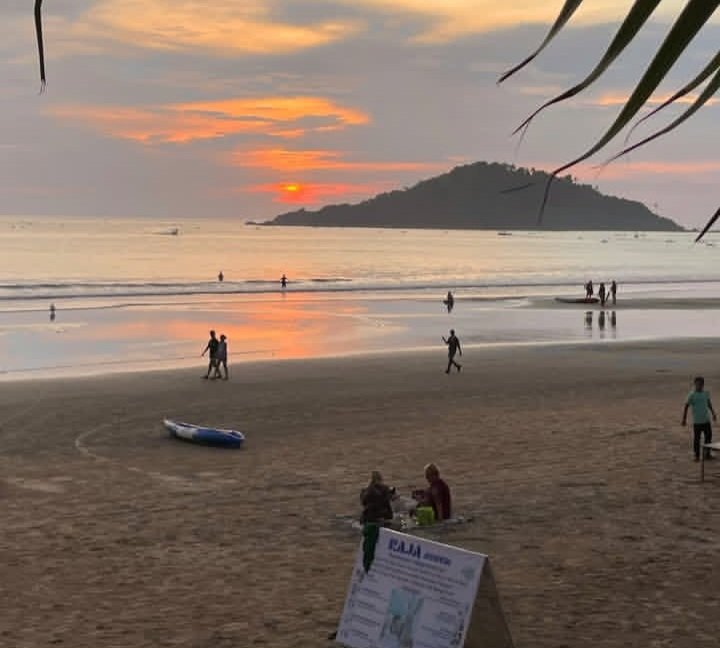
There’s a side of Goa that doesn’t make it to postcards or Instagram stories. It’s not just about sunsets at Baga or parties at Anjuna; it’s the Goa that hums quietly behind the coconut groves, where narrow lanes lead to sleepy villages, ancient churches echo with whispered prayers, and the scent of cashew feni hangs in the evening air. In 2025, travellers are beginning to look past the familiar coastal glamour and discovering the state’s deeper, more authentic soul. Beyond the beaches lies a Goa that celebrates simplicity, tradition, art, and the rhythm of everyday life — a Goa that invites you not to sightsee but to belong, even if just for a while.
Goa’s transformation from a tourist hotspot to a soulful travel experience didn’t happen overnight. The change began when visitors started seeking more meaningful journeys — something quieter, more connected, and emotionally rewarding. Instead of chasing crowded beaches, they began exploring forest trails, backwater villages, organic farms, and hidden waterfalls. This new wave of curiosity is reshaping Goa’s image in 2025, showing that its true magic lies far from the shoreline.
Discovering Goa’s Hidden Hinterlands
While most tourists rush to the coast, Goa’s heart beats in its hinterlands. Stretching from the Western Ghats to the spice valleys of Ponda and Sanguem, these green expanses reveal a side of Goa untouched by commercial tourism. The air feels fresher here, and life moves at the pace of nature. Villages like Netravali, Keri, and Valpoi offer endless opportunities for hiking, cycling, and simply wandering through fields where locals still harvest rice by hand.
In these regions, homestays have replaced luxury resorts. Travellers stay with Goan families, share home-cooked meals, and learn how to make jaggery or distil feni. Morning walks through dense forests lead to secret waterfalls such as Sada or Mainapi, where the only company is the rush of water and birdsong. The experience is raw and real — no artificial comfort, no commercial noise, just nature and community living in harmony.
The hinterlands have also become a hub for eco-conscious travel. Villagers have set up nature trails, bird-watching towers, and spice farms that welcome tourists for guided tours. The goal isn’t just to entertain visitors but to help them understand how Goa’s rural economy thrives through sustainable farming and forest preservation. For many travellers, this authentic glimpse into Goan life becomes the most memorable part of their journey.
The Art Villages and Creative Corners
Away from the beaches, Goa’s creative pulse beats strongest in its art villages. Over the years, artists from across India and abroad have made Goa their home, drawn by its relaxed pace and open-minded culture. Villages like Assagao, Siolim, and Saligao have turned into living galleries where every café, courtyard, or homestay displays local art.
In 2025, these art hubs have evolved into collaborative spaces where travellers can participate in pottery workshops, painting residencies, or craft fairs. The vibe is informal and inclusive — creativity flows as freely as the ocean breeze. Studios tucked between palm trees invite visitors to watch artisans at work, while weekend art walks in Panjim’s Latin Quarter showcase Goa’s blend of old Portuguese architecture and modern expression.
Fontainhas in particular remains a timeless favourite. Its colourful homes, narrow streets, and charming cafés have turned into a heritage experience of their own. But what’s truly new is how young Goan artists are redefining tradition — painting murals inspired by folklore, designing handmade jewellery from recycled materials, and organizing pop-up exhibitions that bring local stories to life. This artistic revival is a reminder that Goa’s spirit isn’t only found on its sands but also in its people’s imagination.
Exploring the Goan Countryside on Two Wheels
Another offbeat way to explore Goa is on two wheels — a bicycle or a scooter, depending on your comfort. Cycling through the backroads of Divar Island or along the paddy fields of Chorao gives travellers an intimate connection with the land. These slow journeys reveal what cars and buses miss: fishermen mending nets, women drying chillies in courtyards, or kids playing under banyan trees.
In recent years, cycling tours have gained immense popularity among eco-conscious travellers. Many local operators organize sunrise rides through village roads, ferry crossings, and old bridges that date back centuries. The new cycling trails near Mapusa and Aldona have opened fresh routes for adventure seekers who prefer peace over traffic.
The charm lies in simplicity — stopping by a roadside café for poi bread and tea, greeting elders sitting outside their homes, or photographing century-old churches covered in moss. Travelling through the countryside this way feels like stepping into a slower, gentler world, where every turn brings a story waiting to be told.
Goa’s Backwaters: The Calm Within
While Kerala may be famous for its backwaters, Goa’s own network of rivers and creeks offers equally magical experiences with fewer crowds. The Chapora, Mandovi, and Sal rivers weave through mangroves and sleepy villages, creating a tranquil landscape ideal for kayaking, stand-up paddling, or sunset cruises.
In 2025, backwater tourism has grown quietly but steadily. Local boatmen offer guided eco-cruises that showcase birdlife and explain the delicate mangrove ecosystem. The Divar and Chorao islands, accessible only by ferry, have become sanctuaries for those seeking silence. Here, homestays overlook the water, and evenings unfold with the soft hum of frogs and distant church bells.
For photographers, the backwaters are a paradise — reflections of coconut trees shimmer in the still water, and fishermen cast nets against orange skies. It’s a side of Goa where the only soundtrack is nature’s rhythm. Travellers who visit once often return, drawn by the serenity that the beaches can no longer offer.
A Taste of Tradition: Culinary Trails Beyond the Coast
Goa’s culinary heritage runs deep, and the offbeat traveller’s Goa offers far more than seafood shacks or beach bars. The inland villages are preserving recipes passed down for generations — dishes that combine Portuguese influence with Indian roots.
Culinary tours have become a major draw in 2025. Travellers can spend a day with a local family learning to cook traditional Goan fare — spicy sorpotel, xacuti, and sannas steamed in banana leaves. Some tours also take visitors to spice plantations where they can pick fresh herbs, taste local jaggery, and sample home-brewed feni.
Farm-to-table dining is the new trend. Small restaurants in Assagao and Margao serve seasonal produce grown by nearby farmers. These eateries don’t just feed travellers; they educate them about Goa’s biodiversity and sustainable food practices. Every meal becomes an experience — a journey through flavours, stories, and culture that reveal Goa’s heart beyond its coastline.
Spiritual Retreats and Wellness Escapes
Goa has always had a healing aura, and in recent years, it’s become a hub for wellness tourism. But unlike commercial yoga resorts, the new wave of spiritual retreats focuses on authenticity. Centres in Canacona, Agonda, and Assagao offer small, community-based programs where travellers can practice meditation, learn Ayurveda, or simply disconnect from technology.
These wellness escapes are not about luxury but about inner peace. Surrounded by forest or sea, they help travellers realign their minds and bodies. Workshops in breathwork, sound therapy, or mindful art have become common. Many visitors describe these experiences as life-changing — not because of what they see, but how they feel.
In 2025, Goa’s wellness scene is being redefined by local healers, herbalists, and yoga teachers who believe in holistic living. Their aim is not to impress but to heal. For those seeking renewal, this side of Goa offers something deeper than relaxation — it offers transformation.
The Rise of Cultural and Heritage Walks
Heritage tourism is another growing trend that’s taking travellers off the beaten path. Goa’s colonial past, ancient temples, and traditional architecture form a fascinating cultural mosaic. Walking tours organized in Panjim, Margao, and Chandor help visitors understand the state’s layered history — from its pre-Portuguese Hindu heritage to its European influence and post-independence evolution.
Fontainhas heritage walks remain popular, but newer trails through the temple towns of Ponda or the historic mansions of Chandor offer equally engaging stories. Guides often weave folklore, architecture, and personal anecdotes into their tours, making history come alive.
These experiences connect travellers with the human side of Goa’s heritage — meeting families who’ve lived in 200-year-old homes, visiting small chapels tucked between fields, or listening to traditional mando songs sung by local women. This immersion into the living culture gives travellers a sense of belonging and respect for Goa’s enduring traditions.
Rural Homestays and Community Tourism
In the last few years, Goa’s tourism focus has shifted towards community involvement. Villagers in remote areas now host travellers in traditional homes, offering them a firsthand experience of Goan life. These rural homestays have become the cornerstone of offbeat tourism.
Staying in such a home means waking up to the sound of roosters, helping in the garden, and eating food prepared from freshly plucked vegetables. Tourists can join their hosts in cashew harvesting, fishing trips, or evening folk dances. It’s not luxury, but it’s deeply enriching.
By choosing community-based tourism, visitors support local livelihoods while ensuring that Goa’s culture and environment are preserved. The smiles exchanged over shared meals and the stories told around firelight create memories that no resort can replicate.
Adventures in the Wild: Goa’s Untamed Side
Few travellers know that Goa’s forests cover nearly one-third of its area. These dense woodlands, part of the Western Ghats, are alive with waterfalls, wildlife, and mystic beauty. For adventure lovers, this is the ultimate offbeat playground.
Trekking through the Mhadei Wildlife Sanctuary or Dudhsagar’s jungle trails offers thrilling encounters with nature. Birdwatchers flock to the Bhagwan Mahavir Sanctuary, where rare species like the Malabar pied hornbill can be spotted. Camping under the stars near Surla village, listening to the symphony of crickets and rustling leaves, gives a sense of freedom few places can match.
In 2025, eco-adventure camps have become popular among young travellers who want to balance thrill with conservation. These experiences prove that Goa’s wilderness is as captivating as its waves — and perhaps even more grounding.
Festivals and Local Celebrations
Goa’s festive spirit never fades, even beyond its beaches. Offbeat travellers now plan trips around local festivals that reveal the state’s vibrant heart. The Shigmo festival, with its colourful parades and folk dances, celebrates Goan Hindu culture. Sao Joao, celebrated in monsoon, sees locals jump into wells to honour St. John the Baptist — a spectacle of joy and tradition.
Smaller village feasts and music festivals bring communities together in the purest expression of Goan life. These are not events designed for tourists; they’re moments of genuine celebration that travellers are welcomed into with warmth. Experiencing these festivals allows visitors to feel the pulse of Goa beyond its tourist façade.
The Goa That Stays With You
Goa beyond the beaches is not just a destination — it’s a feeling. It’s the calm of a backwater sunrise, the laughter of villagers during harvest, the hum of a distant chapel bell, and the taste of home-cooked curry shared with strangers who become friends. In 2025, as travel trends shift from superficial sightseeing to soulful experiences, Goa stands out as a symbol of how a place can evolve without losing its essence.
For travellers seeking authenticity, connection, and renewal, the offbeat side of Goa offers everything the coastline can’t — silence, meaning, and a deeper understanding of what travel truly means. Long after the trip ends, it’s not the beaches that linger in memory, but the quiet roads, kind faces, and the sense that Goa is not just a place to visit, but a way of life.