Goa, with its sun-kissed beaches, vibrant nightlife, and Portuguese-influenced culture, is a paradise for travelers seeking both adventure and relaxation. But beyond its scenic landscapes and bustling markets lies a liquid treasure that has defined the spirit of the state for centuries — Kaju Fenny. This unique cashew-based liquor, often referred to simply as Fenny, is more than just a drink; it is a cultural symbol, a historical artifact, and a must-try experience for anyone visiting Goa. Whether you are a first-time tourist or a seasoned traveler exploring the hidden corners of the state, tasting Kaju Fenny is a journey into Goa’s heart and soul.
What Makes Kaju Fenny Special
Kaju Fenny is unlike any other spirit in India. Distilled from cashew apples, it carries a unique aroma, a slightly sweet yet strong taste, and a history intertwined with Goan heritage. Unlike commercial liquors that are mass-produced and standardized, Kaju Fenny is traditionally crafted in small batches by local artisans, often using techniques passed down through generations. This artisanal approach gives each batch a distinct flavor, making every sip an authentic taste of Goa. Its alcohol content typically ranges from 40% to 45%, which might come as a surprise to those trying it for the first time. However, its smooth yet potent flavor is what has made it a favorite among locals and tourists alike.
The Origins and History of Kaju Fenny
The history of Kaju Fenny is as fascinating as its flavor. Introduced in Goa centuries ago, its roots trace back to the Portuguese colonial era. The Portuguese encouraged the cultivation of cashew trees, and locals soon began experimenting with fermentation and distillation techniques to produce this potent liquor. Over time, Fenny became deeply embedded in Goan culture, consumed during festivals, religious ceremonies, and social gatherings. Unlike other Indian spirits, Kaju Fenny is protected under the Geographical Indication (GI) tag, which certifies it as a product unique to Goa, just as Champagne is linked to France. This recognition ensures that traditional methods are preserved and that tourists experience the genuine essence of Goan Fenny.
How Kaju Fenny is Made
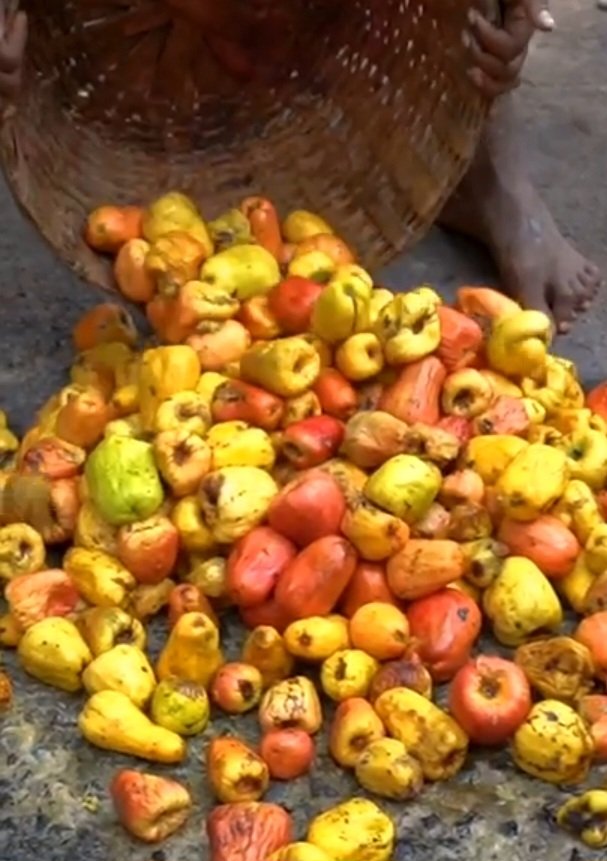
One of the most intriguing aspects of Kaju Fenny is its traditional production process. The journey begins with harvesting cashew apples, the fruit from which cashew nuts grow. These apples are pressed to extract the juice, which is then fermented naturally. Unlike industrial spirits, no artificial flavors or additives are used — it is purely the fermentation of cashew juice that gives Fenny its characteristic taste. After fermentation, the liquid undergoes distillation, typically in small copper or stainless-steel stills. The distilled liquor is then aged briefly, sometimes in wooden barrels, which adds subtle complexity to the flavor. For tourists, witnessing this process at a local distillery or tasting room is both educational and sensory — you can see, smell, and sometimes even participate in the traditional Fenny-making process.
Kaju Fenny vs Coconut Fenny
While Kaju Fenny is the most famous variant, Goa also produces Coconut Fenny, distilled from the sap of coconut palms. Coconut Fenny is generally milder and slightly sweeter than Kaju Fenny, making it more approachable for first-time drinkers. However, it is less robust in flavor and alcohol content compared to Kaju Fenny. Many tourists enjoy trying both variants to appreciate the range of Goan spirits. Tasting both side by side allows you to compare the nutty, earthy undertones of cashew with the delicate, tropical sweetness of coconut — a true reflection of Goa’s diverse agricultural heritage.
Where to Taste Authentic Kaju Fenny
For tourists seeking an authentic tasting experience, several locations across Goa offer Kaju Fenny in its most genuine form.
- Panjim and Old Goa: The state capital, Panjim, is home to numerous bars, shacks, and specialty stores offering Fenny tastings. Some historic establishments in Old Goa also provide guided tastings along with a brief history of the liquor, giving tourists both flavor and context.
- Mapusa and Local Markets: The bustling Mapusa Market is not only famous for spices and handicrafts but also for locally produced Fenny. Vendors often offer small samples for visitors, allowing you to try before you buy.
- Traditional Distilleries: Visiting a distillery in North or South Goa is an experience in itself. Many distilleries welcome tourists for guided tours where you can watch the fermentation process, meet the artisans, and taste freshly distilled Kaju Fenny straight from the still. This immersive experience is highly recommended for anyone passionate about local culture and spirits.
Popular Fenny-Based Drinks and Cocktails
Kaju Fenny is traditionally consumed neat or with a splash of water, but modern mixology in Goa has given it new life in cocktails. Several popular drinks have emerged in Goan bars and beach shacks:
Fenny Mojito: A tropical twist on the classic Mojito, using Kaju Fenny instead of rum, garnished with mint and lime.
Fenny Sunrise: A visually stunning drink combining orange juice and Kaju Fenny, often served during sunrise at beach shacks.
Fenny Punch: A mix of local fruits, soda, and Kaju Fenny, perfect for group gatherings.
These cocktails allow tourists to enjoy the traditional spirit in a contemporary style while experiencing Goa’s vibrant beach culture. Many shacks also offer tasting flights, where visitors can sample multiple Fenny variants in a single session.
Fenny Festivals and Cultural Significance
Goa celebrates its cultural heritage through several festivals, and Fenny often plays a starring role. Events like the Goa Food and Drink Festival showcase Kaju Fenny alongside traditional Goan cuisine, allowing tourists to experience the local palate fully. During Christmas, New Year, and Carnival celebrations, Fenny is commonly served at parties and family gatherings, symbolizing hospitality and local tradition. For travelers, attending such festivals offers not only an opportunity to taste the liquor but also to understand its role in Goan social life. Drinking Fenny in its cultural context adds a layer of authenticity to the experience, connecting tourists to centuries of Goan tradition.
How to Buy Kaju Fenny as a Tourist
Purchasing Kaju Fenny for home consumption is straightforward but requires a few considerations. Only licensed vendors sell genuine Kaju Fenny, often with a GI tag to guarantee authenticity. Tourists can find bottles in local markets, specialty stores, and even some distilleries. Popular sizes range from 200 ml to 750 ml, with prices varying based on quality and age. Some distilleries also sell souvenir packs, perfect for gifting or taking a piece of Goa home.
It’s important to note that Fenny is an alcoholic beverage, so travelers should respect local laws regarding transport and consumption. Bringing it back to your home country may involve customs regulations, so checking limits in advance is recommended.
Responsible Tasting Tips for Tourists
Kaju Fenny is strong, and overindulgence can lead to unpleasant experiences, especially for those unfamiliar with its potency. Here are some tips for responsible tasting:
Start with small sips to gauge strength.
Drink water alongside Fenny to stay hydrated.
Avoid consuming on an empty stomach.
Pair Fenny with Goan snacks or seafood for a balanced tasting.
Never drink and drive — many beaches and markets in Goa are open for tasting, but transportation should be safe and planned.
Following these guidelines ensures that the experience remains enjoyable and memorable.
Top Distilleries and Tasting Spots
Some distilleries and bars in Goa have become popular tourist destinations for Kaju Fenny tasting:
Sattvik Distillery (North Goa): Known for small-batch Fenny production, offering guided tours and tasting sessions.
Goa Spirits Factory (Panjim): Offers an educational experience along with curated tasting flights.
Beach Shacks of Arambol and Baga: These establishments often serve Fenny cocktails alongside live music and sunset views, combining flavor with atmosphere.
Visiting these spots not only lets you taste authentic Kaju Fenny but also provides insight into Goan hospitality and artisanal practices.
Pairing Kaju Fenny with Goan Cuisine
One of the joys of tasting Kaju Fenny is pairing it with local cuisine. The nutty, slightly fruity flavor complements Goan dishes like prawn curry, vindaloo, or bebinca (a traditional dessert). In many shacks and restaurants, Fenny tasting sessions are paired with small Goan tapas-style servings, creating a culinary experience that delights all senses. Tourists often remark that the combination of fresh seafood, tropical fruits, and Kaju Fenny captures the essence of Goa in one sitting.
Tourist Experiences and Stories
Many travelers describe Kaju Fenny tasting as a highlight of their Goa trip. Sitting at a beach shack during sunset, sipping a small glass of Fenny, and watching the waves is an experience that transcends ordinary travel memories. Some adventurous tourists even take part in distillery workshops, learning to press cashew apples and understand the fermentation process. These hands-on experiences make the tasting more meaningful, turning a simple drink into a story worth sharing.
Travel Tips for Kaju Fenny Enthusiasts
To make the most of your Kaju Fenny experience in Goa, consider the following tips:
Plan Visits to Distilleries: Morning or early afternoon visits ensure a calmer experience and better explanations from the staff.
Combine with Sightseeing: Many tasting spots are near beaches or markets, so you can combine Fenny tasting with exploring local culture.
Ask for Samples: Before buying a bottle, ask for a small sample to ensure it matches your taste preference.
Respect Local Customs: Fenny is more than a drink; it is a cultural symbol, so appreciate it as locals do.
The Unique Appeal of Kaju Fenny
What makes Kaju Fenny truly remarkable is its connection to Goa’s land and people. Every sip tells a story of cashew orchards, artisanal craftsmanship, and centuries-old traditions. Unlike standardized commercial spirits, Kaju Fenny carries the authenticity of its origin — the soil, the climate, and the cultural identity of Goa. For travelers, tasting it is not merely about alcohol; it’s about connecting with the essence of the state.
No trip to Goa is complete without tasting Kaju Fenny. It’s an adventure for the palate, a cultural journey, and a moment of pure Goan authenticity. From the artisanal distilleries to vibrant beach shacks, from the traditional cocktails to ceremonial uses, Fenny offers a unique window into Goa’s soul. Paired with local cuisine, enjoyed responsibly, and experienced in the right setting, it becomes one of the most memorable aspects of any Goa itinerary.
Whether you are a connoisseur, a curious traveler, or someone looking to embrace the local culture, Kaju Fenny is an experience you cannot miss. So during your next visit to Goa, raise a glass, savor the flavors, and immerse yourself in a centuries-old tradition that continues to define the spirit of this coastal paradise.