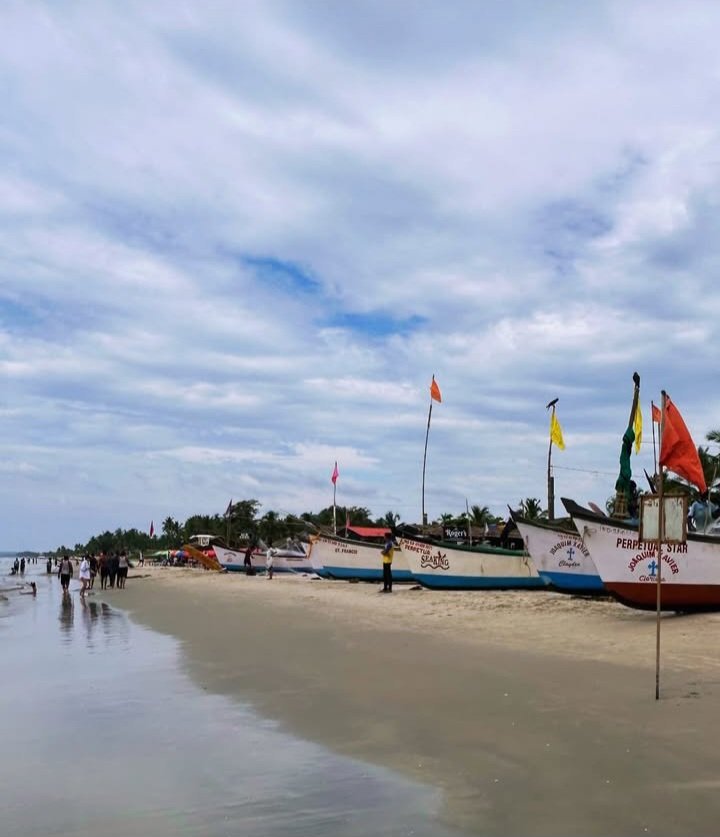
Goa often appears in travel dreams as a land of golden beaches and carefree vibes, but there’s much more to this coastal state than its lively party scenes. Behind the popular image lies a quieter, more mysterious Goa — one that hides untouched beaches, forest trails, and peaceful villages where time seems to slow down. For travelers who wish to move beyond the usual tourist map, exploring the hidden corners of Goa can feel like uncovering a secret world. Away from the noise of beach shacks and crowded markets, there are places where you can walk for miles without meeting anyone, hear only the sound of waves or birds, and feel completely connected with nature. These secret places reflect the real essence of Goa — raw, calm, and beautifully authentic. In this article, we’ll take you through five such hidden spots that promise not just scenic beauty but also a perfect escape from the ordinary.
The first destination that deserves special mention is Kakolem Beach, known locally as Tiger Beach. Located deep in South Goa near Cabo de Rama, Kakolem remains one of the most secluded beaches in the entire state. Very few people even know of its existence because reaching it involves an adventurous descent through narrow paths that wind through dense greenery. When you finally reach the bottom, the sight is breathtaking — soft golden sand bordered by steep cliffs and turquoise water stretching endlessly. The isolation of this beach makes it ideal for travelers who crave peace, privacy, and a connection with nature. There are no beach shacks or crowds, only the rhythmic sound of waves and the salty breeze. Early morning is the best time to visit Kakolem, when the sun rises slowly above the horizon and paints the sea with shades of orange and pink. It’s also a paradise for photographers who want to capture Goa’s untouched coastal beauty. If you’re planning a visit, remember to bring your own food and water because there are no facilities nearby. The effort of reaching Kakolem Beach is rewarded with a rare kind of silence and beauty that very few places in Goa can offer.
Not far from the bustling city of Panjim lies another hidden treasure — Divar Island. Accessible only by ferry from Old Goa or Ribandar, Divar Island feels like stepping into another time. The island is small, peaceful, and filled with Portuguese-inspired houses, narrow roads lined with coconut trees, and old churches that echo the state’s colonial past. What makes Divar special is its simplicity. There are no big resorts or crowded cafes here, only local homes and fields stretching as far as the eye can see. Exploring the island by scooter or bicycle is a joy, especially when you pass through sleepy villages and stop by small taverns where locals chat over feni, Goa’s traditional drink. One of the must-visit spots is the Our Lady of Compassion Church that offers panoramic views of the Mandovi River. During the monsoon, the whole island turns green, and the air feels cool and clean. If you’re lucky enough to visit during the annual Bonderam Festival in August, you’ll witness colorful parades and traditional music that bring the entire community together. Divar Island shows a version of Goa where culture, heritage, and nature coexist beautifully. It’s perfect for travelers who appreciate quiet countryside life and want to see Goa’s authentic side away from commercialization.
For those who love history and nature together, the Tambdi Surla Mahadev Temple and the nearby waterfall offer an unforgettable experience. Hidden deep within the Bhagwan Mahaveer Sanctuary, this 12th-century temple is one of the oldest structures in Goa. Built from black basalt stone, it stands surrounded by dense forest and the gentle sound of a nearby stream. The intricate carvings on the temple walls tell stories from Hindu mythology and showcase the remarkable craftsmanship of the Kadamba dynasty. Just beyond the temple lies the Tambdi Surla Waterfall, which can be reached through a short and scenic trek. The walk is pleasant, filled with birdsong, tall trees, and the earthy scent of the forest. The waterfall itself is small but incredibly beautiful, with clear water cascading over rocks into a cool pool below. Visitors often take a dip or simply sit by the water, soaking in the calm atmosphere. Tambdi Surla is ideal for travelers who love exploring cultural heritage in a natural setting. It’s less visited compared to other temples in Goa, which makes it even more peaceful. Visiting early in the morning adds a mystical charm, especially when the fog lingers around the temple and forest.
Another secret paradise lies along the southern coastline — Galgibaga Beach, often referred to as Goa’s turtle beach. Situated near Canacona, this stretch of sand is one of the few nesting sites of the Olive Ridley sea turtles. The beach remains protected and is one of the cleanest in Goa. Unlike Palolem or Agonda, which are more commercial, Galgibaga retains a raw and untouched character. The coastline is lined with pine trees instead of palm, giving it a distinct look, and the gentle waves make it perfect for long walks. The best time to visit Galgibaga is between December and February, when you may even spot turtle hatchlings making their journey to the ocean under the supervision of forest department volunteers. The experience is heart-warming and a reminder of the fragile beauty of nature. There are only a handful of eco-friendly shacks around the beach that serve local food, so visitors can enjoy a fresh seafood meal in a peaceful environment. The absence of nightlife, music, and water sports keeps the place calm and pristine. Galgibaga is ideal for travelers looking for a quiet beach where they can meditate, read, or simply listen to the sea without interruption. The golden light during sunset paints the water in warm tones, creating a sight that stays in memory long after you leave.
For those drawn to wilderness and adventure, the Netravali Wildlife Sanctuary in South Goa offers a completely different experience. Spread across several thousand hectares of lush forest, this sanctuary is part of the Western Ghats, one of the richest biodiversity regions in India. Netravali is home to countless species of birds, butterflies, and animals, including deer, wild boars, and even leopards. One of its most fascinating attractions is the Bubbling Lake, locally known as Budbudyanchi Tali. The lake gets its name from the continuous bubbles that rise to the surface — a phenomenon caused by underground gases. What makes it even more interesting is that the bubbles increase when people clap or make noise near the water, creating a playful, almost magical effect. Besides this, the sanctuary also offers scenic trekking trails leading to viewpoints and waterfalls such as the Savari Falls. During the monsoon, the entire region transforms into a green paradise with mist-covered trees and streams flowing everywhere. The Netravali Wildlife Sanctuary is perfect for eco-tourism and nature enthusiasts who want to experience Goa beyond its beaches. The forest department organizes guided treks and educational tours that explain the ecological importance of the region. Staying overnight in nearby eco-lodges allows visitors to enjoy the sound of crickets and the peaceful stillness of the forest after dark — a rare experience for anyone used to the lively side of Goa.
Together, these five destinations — Kakolem Beach, Divar Island, Tambdi Surla, Galgibaga Beach, and Netravali Wildlife Sanctuary — show a Goa that most visitors never see. Each one reflects a different mood of the state: the raw coastal charm of Kakolem, the timeless simplicity of Divar, the historical grace of Tambdi Surla, the eco-friendly serenity of Galgibaga, and the wild energy of Netravali. Visiting these hidden gems lets travelers understand that Goa is not just about nightlife or luxury resorts but also about natural beauty, heritage, and sustainable living. The true magic of Goa lies in these quiet corners where locals still follow old traditions and where the environment remains unspoiled.
When planning your trip to these secret places, it’s important to be prepared. Since most of them are remote, it’s wise to carry drinking water, snacks, and other essentials. Mobile connectivity can be weak in some areas, especially near the waterfalls and forest zones. Respecting the natural environment is also crucial. Avoid littering or playing loud music, as these areas are home to fragile ecosystems. Simple actions like carrying back your trash and avoiding plastic go a long way in preserving Goa’s hidden beauty. The ideal time to explore these offbeat locations is from November to March when the weather is pleasant and outdoor travel is comfortable. Monsoon months from June to September are also beautiful for those who enjoy greenery, though access to some beaches and waterfalls may be limited due to high tides or slippery paths.
Exploring these hidden places by scooter or car gives you complete freedom to travel at your own pace. The interior roads of Goa are scenic, winding through paddy fields, small bridges, and sleepy hamlets. Along the way, you might discover even smaller, unnamed spots like secret riverbanks or old chapels tucked inside coconut groves. Talking to locals is often the best way to learn about such places — Goans are known for their hospitality and love sharing stories about their land. Their insights can lead you to viewpoints and trails that don’t appear on maps. Traveling this way not only gives you a deeper connection with the place but also helps local communities by supporting small businesses and homestays.
For photography lovers, these hidden places provide some of the most rewarding shots in all of Goa. The cliffs of Kakolem, the misty temple of Tambdi Surla, and the sunset reflections at Galgibaga are perfect subjects for landscape and travel photography. Unlike crowded tourist beaches, you can take your time capturing scenes without distractions. Early morning and late afternoon are the best hours for soft, natural light. If you’re a travel blogger or filmmaker, these locations can also serve as excellent backgrounds for storytelling, helping you showcase Goa’s lesser-known wonders.
Accommodation options near these areas range from eco-resorts to homestays run by local families. Staying at smaller, sustainable properties not only provides comfort but also adds authenticity to your experience. In South Goa, Agonda and Palolem serve as convenient bases for visiting Kakolem and Galgibaga. For Netravali and Tambdi Surla, you can stay in Quepem or nearby villages that offer nature-centric lodges. Around Divar Island, Panjim and Old Goa have charming heritage stays that keep you close yet away from the city’s bustle. Many of these places offer traditional Goan meals prepared with homegrown ingredients — a delicious way to experience the local culture through food.
What makes these secret places truly memorable is the contrast they offer against Goa’s popular image. Here, time moves slower. The air feels cleaner, the people are friendlier, and every sound — from birds calling in the forest to waves hitting the rocks — reminds you of nature’s rhythm. There’s a certain peace that you don’t find in touristy areas, a peace that allows you to reflect and appreciate the simplicity of life. Travelers who have explored these places often say that they found a deeper connection to Goa, one that goes beyond beaches and nightlife.
Another beautiful aspect of these hidden destinations is their focus on responsible and eco-friendly tourism. Many of the local communities and organizations working here encourage visitors to travel thoughtfully and minimize their impact. For instance, Galgibaga’s turtle conservation programs rely on travelers respecting restricted zones and avoiding bright lights at night. Similarly, in Netravali, the eco-lodges promote awareness of forest preservation and water conservation. By choosing to visit these areas responsibly, travelers help sustain local livelihoods and protect Goa’s delicate natural balance for future generations.
In the end, discovering Goa’s secret places is about more than finding quiet beaches or scenic trails. It’s about reconnecting with the roots of travel — curiosity, respect, and wonder. These offbeat locations show that even in a destination as famous as Goa, there are still unexplored corners waiting to surprise you. Whether you’re a solo traveler seeking reflection, a couple looking for a peaceful getaway, or an adventurer eager to explore, these five hidden gems promise an experience that feels deeply personal and refreshingly real. So, the next time you plan a trip to Goa, skip the obvious spots and follow the lesser-known path. Somewhere between the cliffs of Kakolem and the calm lanes of Divar, you’ll find not just hidden beauty but also the Goa that stays quietly unforgettable.